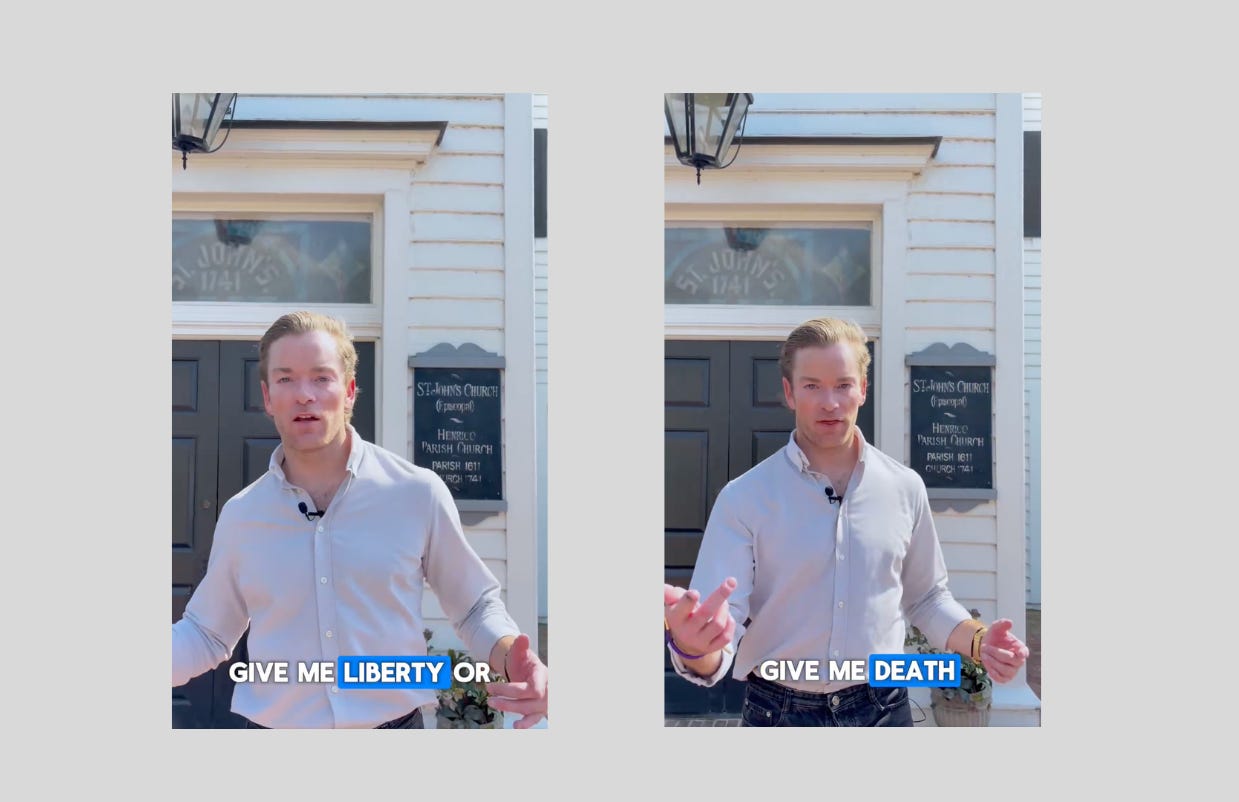
When Virginia’s independent U.S. Senate candidate Mark Moran announced his campaign in a short-form video last Thursday, he moved his arms in ways I don’t think arms have ever been moved before in a campaign launch video.
Shot outside St. John's Church in Richmond where Patrick Henry gave his most famous speech, Moran introduced himself with a walk-and-talk-style video popularized by New York City Mayor Zohran Mamdani’s mayoral campaign. With a mic on his collar and pep in his step, Moran talks in the cadence of a frat leader with gestures that look like a white dude trying to rap. Swinging his arm around to deliver Henry’s famous phrase, “Give me liberty or give me death,” Moran adds, “My name’s Mark Moran. 250 years later, I’m saying the same thing.”
Being a bro is no crime, but Moran’s bro-ey video has drawn nearly 8 million views on X and inspired mockery and scorn. It likely won’t be the last cringe attempt to campaign on social media we’ll see this year. The class of 2026 is entering politics in a period of transition as social media and streaming continues to overtake traditional television as the main platforms where potential voters spend their time and campaigns try to reach them. Adapting for this new reality, it’s clear not all candidates are quite sure what to do with their hands yet.
Democratic consultant David Plouffe wrote in a New York Times editorial Sunday that successful campaigns in 2026 “must operate like a full-time production studio” and that candidates “should center each day on content creation.”
It’s not a new concept to turn candidates’ daily itineraries into the raw material for content. In the television era, presidential campaigns for John F. Kennedy, Richard Nixon, and Jimmy Carter scheduled events that could be clipped for TV ads or covered by the evening news. The difference today, though, is the sheer scale of output that’s needed to feed the content beast for more intimate, owned platforms and smaller screens in an attention age.
Mamdani’s 2025 campaign video style, with its quick cuts that show the candidate in motion as he talks, has inspired imitators both in the U.S. and abroad. Some politicians don’t even try to hide it.
“I know what you’re thinking, Marit Stiles is totally copying Zohran Mamdani with these fundraising videos,” a provincial lawmaker in Ontario, Canada, named Marit Stiles said in a Mamdani-style video late last year. “And you’d be right.”
Copying Mamdani isn’t the only way, though. Sen. Susan Collins (R-Maine) did an unboxing video for her reelection launch. And after Rep. Andy Biggs (R-Ariz.) said he wouldn’t eat a food truck taco on camera during a conservative talk show interview, Arizona Gov. Katie Hobbs (D) ate a taco on camera.
If it’s true that we’ll see a senator release an eyeshadow palette within our lifetime, it’ll probably be because they were a make-up artist influencer on TikTok first. Cutting through today is harder than ever, and candidates are getting creative.
In his landmark book The Image published in 1961, the year after the first nationally televised presidential debates, media theorist Daniel J. Boorstin wrote, “If we test presidential candidates by their talents on TV quiz performances, we will, of course, choose presidents for precisely these qualifications.” The platforms today are different, but the implications are the same. If we test candidates by their talents to make TikTok videos, we will, of course, choose candidates for precisely these qualifications.
Luckily, there are signs that fluency in short-form video making isn’t the end-all-be-all of skills needed for politics now. The best-testing ads that one Democratic group ran in 2020 when the trend from TV to smartphones accelerated with the pandemic were Zoom-quality and direct-to-camera testimonials from voters, according to Everytown’s senior director of communications Max Steele.
You don’t have to be able to dance on camera to run for office today, and a future President Jake Paul isn’t an inevitability. Being able to speak honestly and authentically over FaceTime is now a competitive advantage. But while the medium matters, the message matters more.

These are Apple’s best ad in 50 years
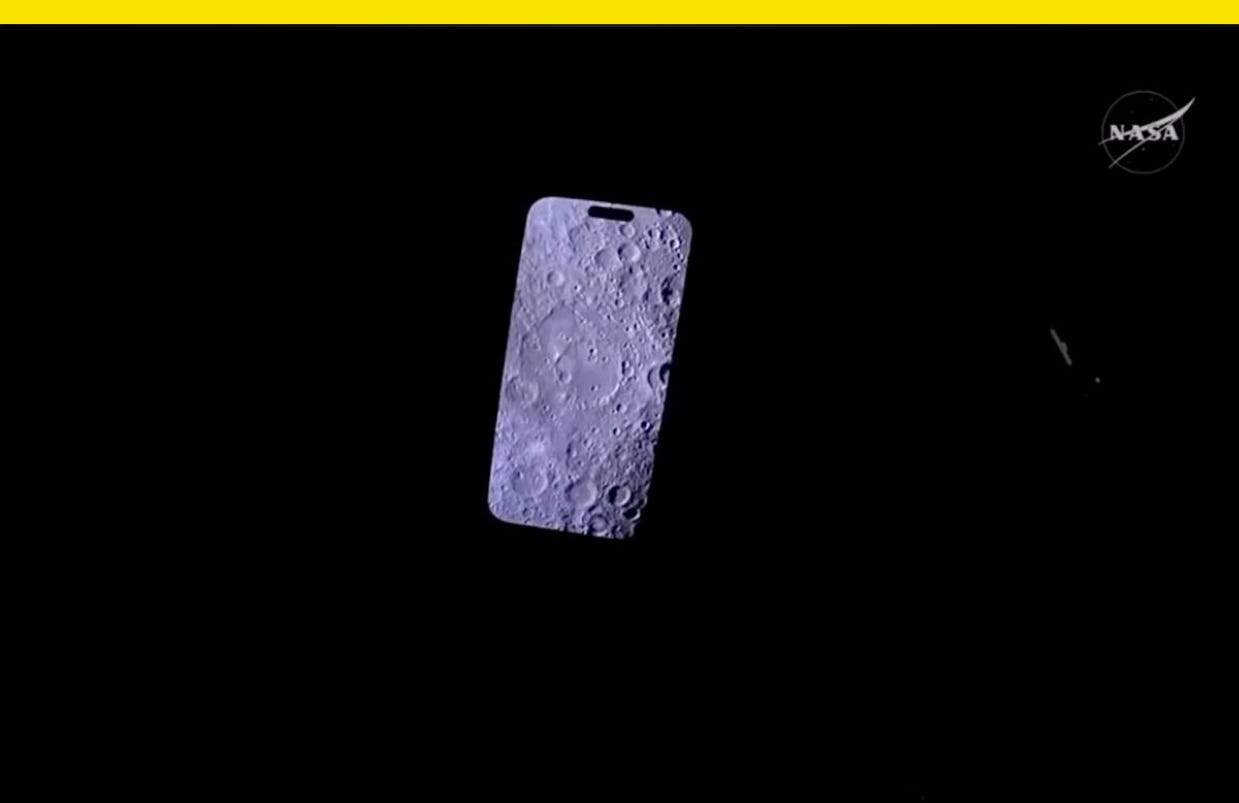
Apple turned 50 on April 1 — the same day as the Artemis II launch — and like the best birthday present ever, the NASA mission’s crew has captured amazing views from space on Apple’s iPhone 17 Pro Max on their way to the far side of the moon and back. It’s the best ad for a smartphone ever.
The Artemis II launch is one of the first times NASA has allowed astronauts to take smartphones into space, but the devices the crew left with have limited capabilities. Though they can photos and video, they can’t connect to the internet or Bluetooth. These phones are meant as cameras, not for making calls.
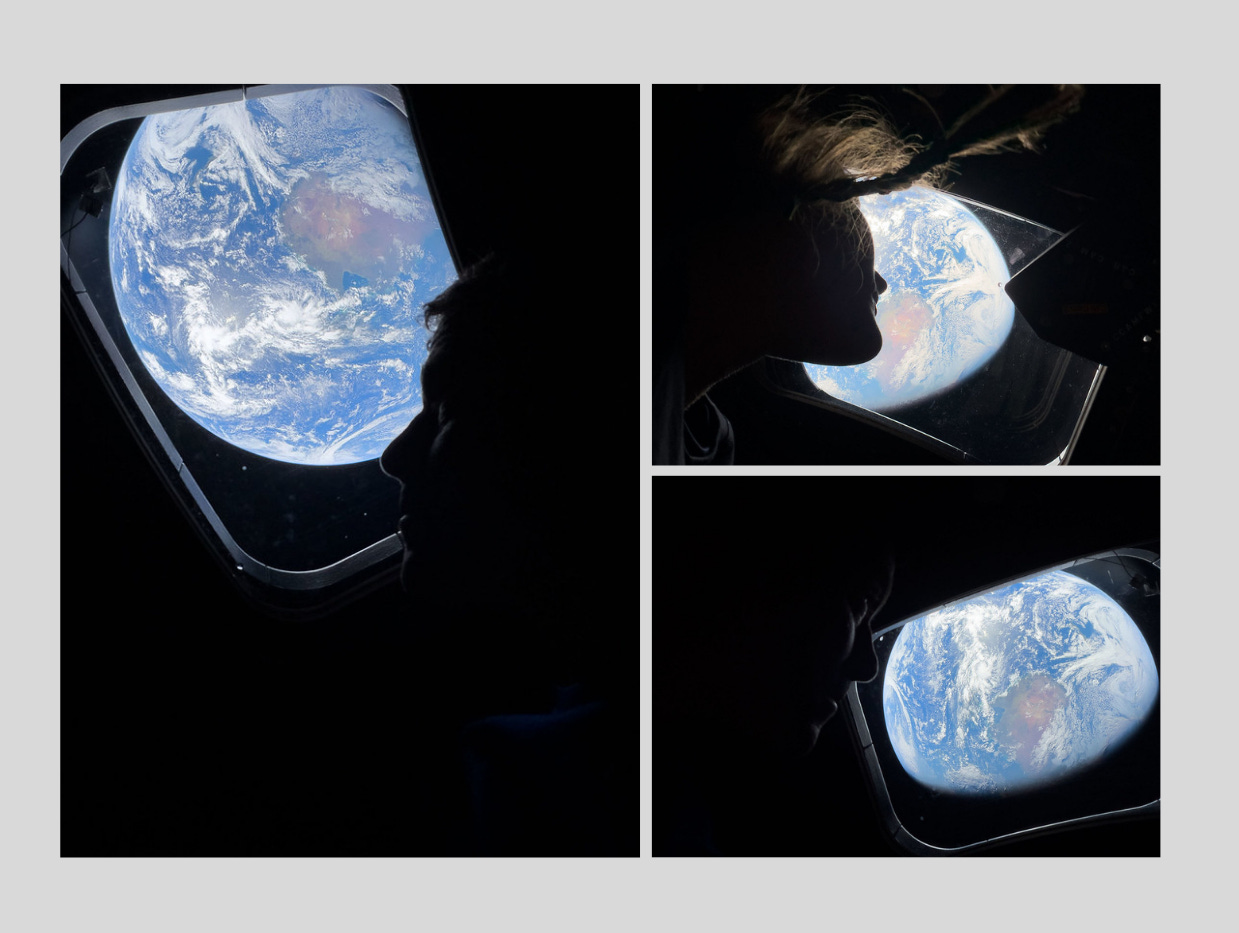
The crew also has a Nikon D5, Nikon Z 9, and GoPro HERO4 Black on board, and photos from all have been updated to NASA Johnson’s Flickr photo stream and social media. While the Nikons are getting some of the mission’s most jaw-dropping shots, the iPhone pics connects mankind’s farthest-ever voyage from Earth to the bestselling consumer product in the U.S. Shots taken of crew members looking out the Orion window at Earth were selfies taken from the phone’s front-facing camera.
More than 50 years after the Apollo 11 crew wore Omega Speedmaster Professional watches to the moon, the watchmaker still promotes that fact and calls the model the “Moonwatch.” For Apple, the Artemis II snaps gives the company its coolest “shot on an iPhone” assets at a moment when it’s celebrating its storied history and smartphone sales are red hot.
The iPhone 17 Pro Max is Apple’s newest and most expensive model, priced starting at $1,199, but still, it’s far more accessible than a Moonwatch, which is seven times as expensive at its cheapest and can only tell time. Apple announced all-time revenue record for its iPhone of $85.3 billion in the last quarter of last year, and with reports for a foldable iPhone coming this September, the 17’s shape and size could one day soon feel vintage. It’s already historic.
Have you seen this?
To the moon. After blasting off last Wednesday from the Kennedy Space Center in Florida for NASA’s Artemis II mission around the moon, NASA astronauts Reid Wiseman, Victor Glover, Christina Koch, and Canadian Space Agency astronaut Jeremy Hansen made history. [Whig by Hunter Schwarz]

Melania Trump’s unexpected Easter look. If it wasn’t fully red, white and blue, it was at least white and blue; if it wasn’t exactly pastels and chickadees, it was very Hyannis Port, yacht-club-coded. And the name on the label was the most American of all American brands: Ralph Lauren. [The New York Times]
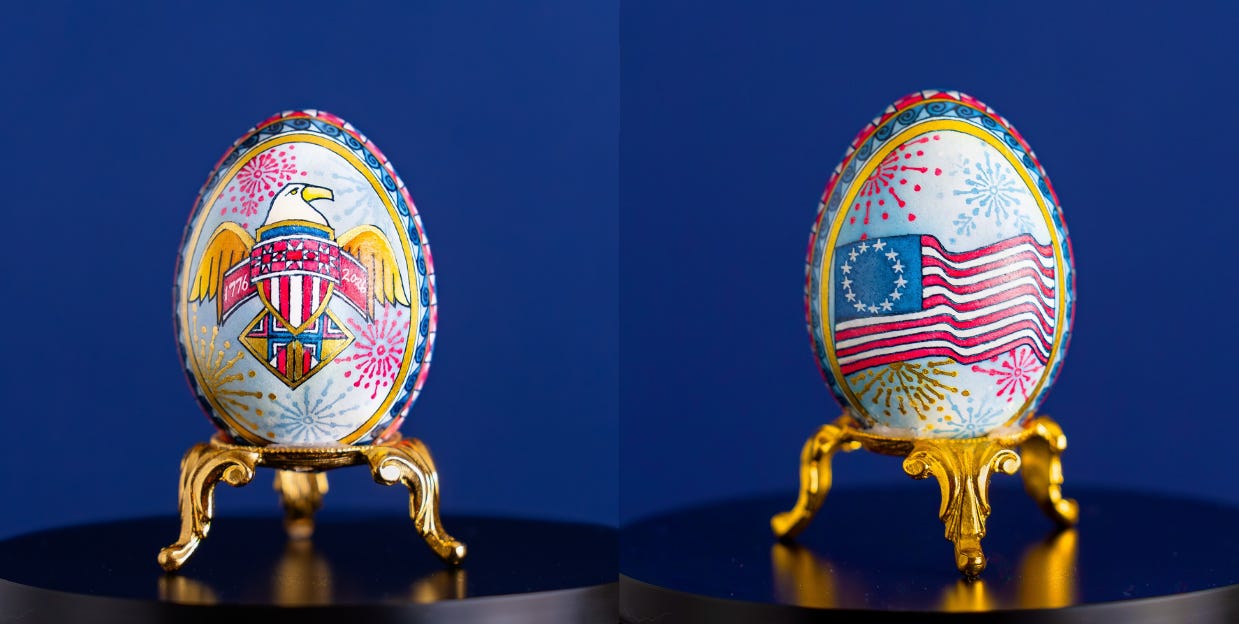
Here’s the American Egg Board commemorative egg for FLOTUS. The industry checkoff group has created commemorative eggs for the first lady for 49 years. The latest, for first lady Melania Trump, was made by Ohio egg artist Mark Malachowski, whose design pays homage to the U.S. semiquincentennial.
TikTok isn’t changing political views, a new study suggests. Research published in Political Studies Review in March found that college students who were exposed to TikTok content from political influencers reported experiencing more negative emotional states: anxiety, anger, depression and the like. Perhaps even more striking: the content didn’t appear to have a noticeable influence on participants’ political positions. [Campaigns & Elections]
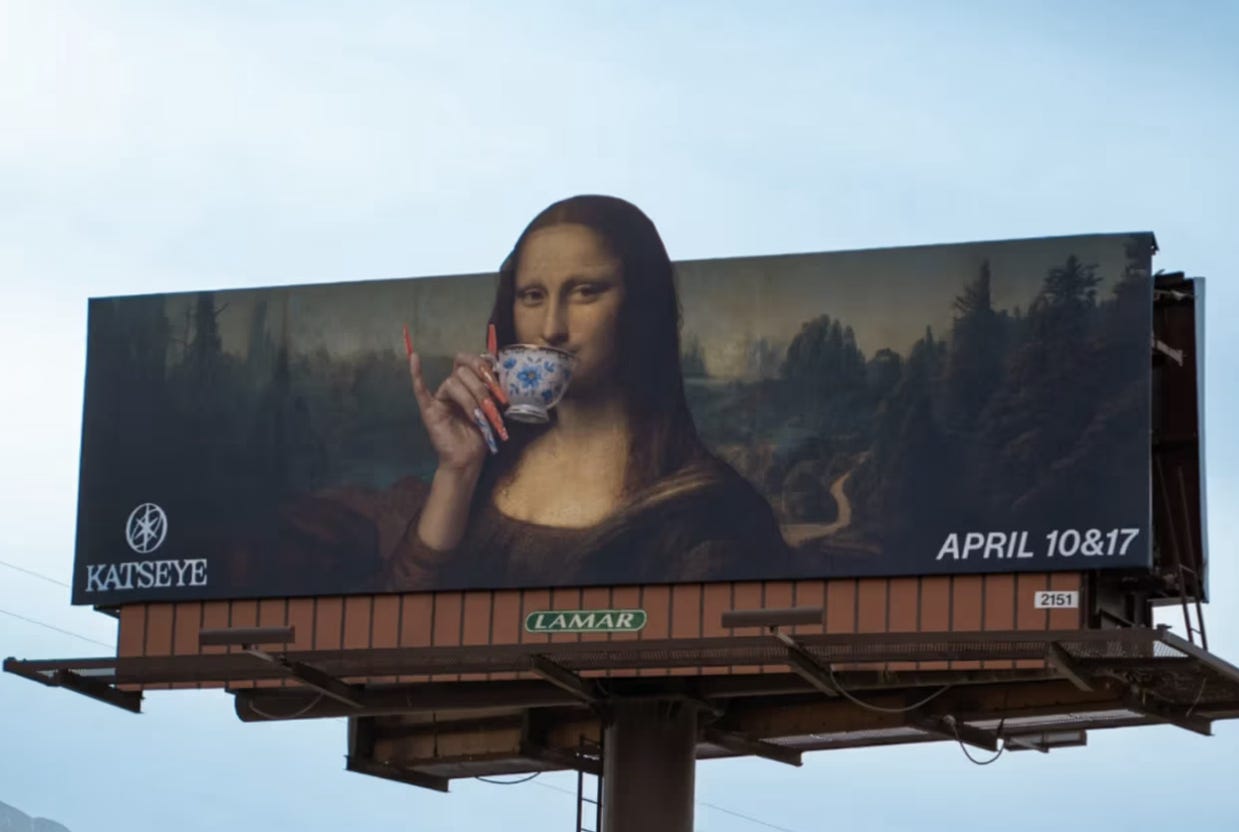
The Coachella billboards are here. Billboard from artists including Sabrina Carpenter, Katseye, Justin Bieber, Addison Rae, and more have gone up ahead of weekend 1 for the California festival. [Hypebeast]