The new Trump passport covers up the reason for the season of America's 250
Plus: A classic Postal Service logo was just mashed up with its current typography

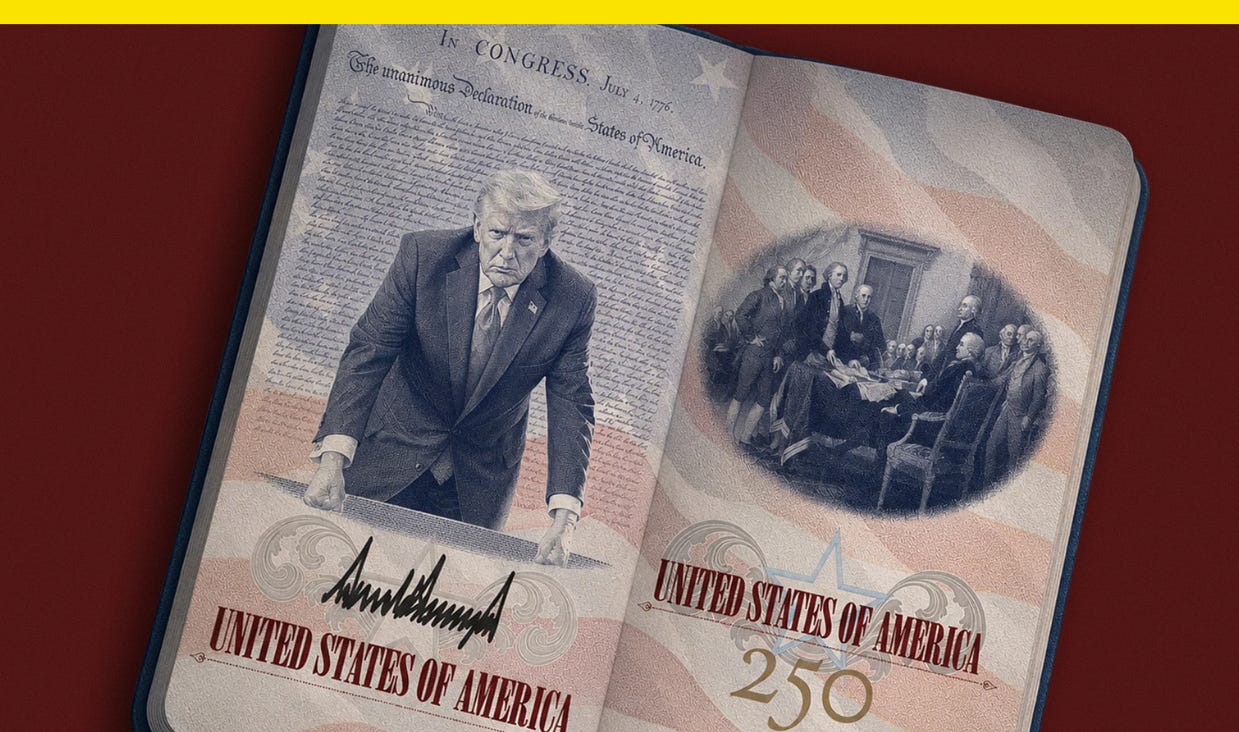
The White House on Friday unveiled a limited-edition U.S. passport design to mark the 250th anniversary of the adoption of the Declaration of Independence. Dubbed the “Patriot Passport,” it features a portrait of President Donald Trump hunched over the Resolute Desk and scowling at the viewer, with the historic document partially obscured behind him.
Trump’s portrait is based on a photo by White House photographer Daniel Torok. His signature is shown below, written about as large as — if not larger than — John Hancock’s would be.
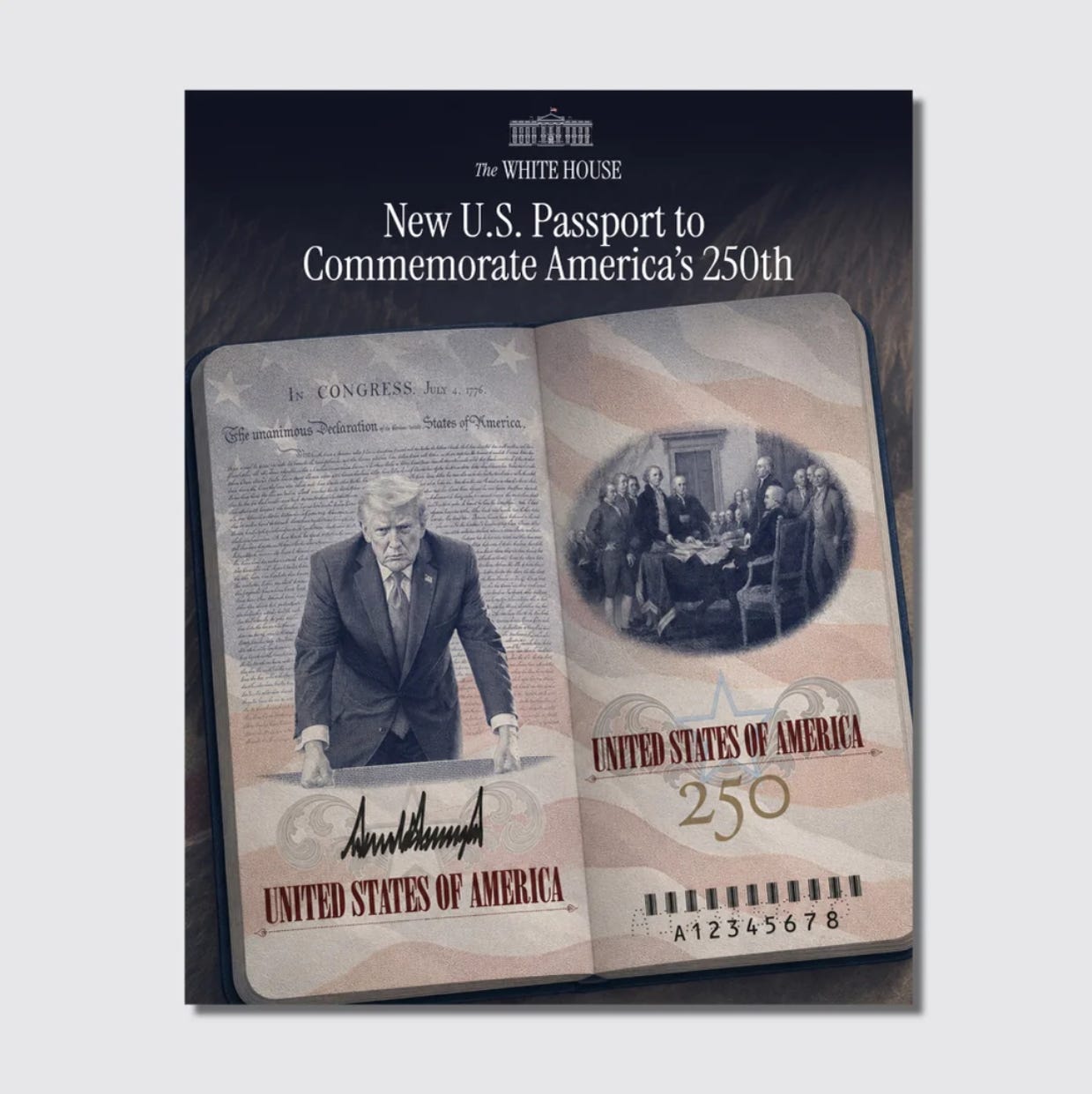
The opposite page shows detail from John Trumbull’s 1818 painting Declaration of Independence, and says “United States of America 250.” The back of the passport features a logo for “Freedom 250,” the Trump administration’s organization for commemorating the nation’s founding, which operates separately from the bipartisan, congressionally approved America 250 group.
The design is different from a previous design released in April that also showed a portrait of Trump. In a post on his social network, Trump wrote that the passport says “Welcome, but be good!”
Beginning July 6, the passport will be available at the Washington Passport Agency in Washington, D.C., as the default passport issued to any American who applies in person. The commemorative design is the sole standard-size passport that will be issued by the Washington Passport agency, and about 40,000 will be available until supplies last, a State Department spokesperson tells me. Standard passport fees apply.
The limited-edition passport design is just the latest example of Trump using the country’s anniversary as a personal branding exercise.
Despite federal law prohibiting living people from appearing on currency, the U.S. Mint approved a commemorative coin featuring the same portrait of Trump with his fists on the desk. Concurrently, Trump appointees have pushed to get a $250 banknote that bears his likeness.
Trump’s face is also on a National Parks pass, and Trump has tied some of his building and renovation projects to the commemoration, like his proposed arch and his troubled renovations at the Lincoln Memorial Reflecting Pool. And the UFC fight on the White House lawn was ostensibly for the country’s birthday but scheduled on Trump’s birthday.
No design better captures this trend than the passport, though. By overlaying the Declaration of Independence with Trump’s likeness, the administration is effectively obscuring the nation’s ideals with an image of a statistically unpopular president.
This story was first published in Fast Company.



A classic Postal Service logo was just mashed up with its current typography
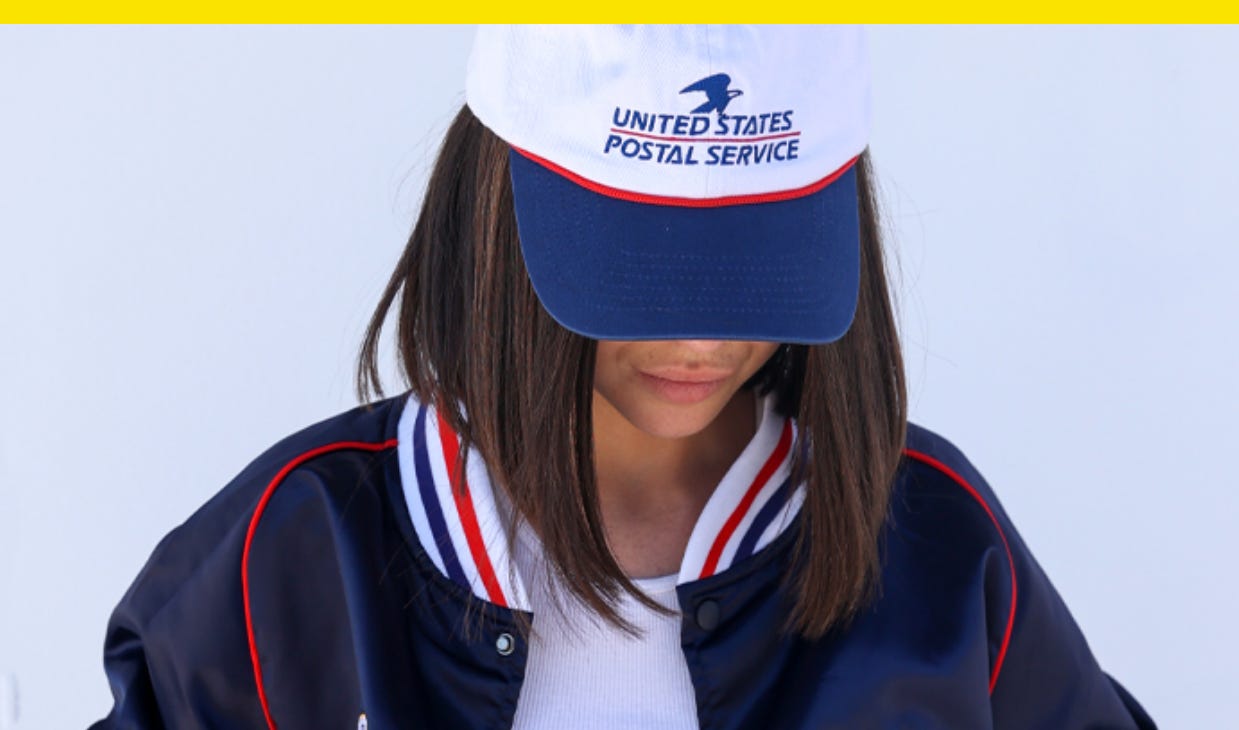
A California clothing brand is bringing back an old-school U.S. Postal Service logo for a capsule collection that also makes use of current USPS typography and vintage postage stamps.
The Postal Reorganization Act dissolved the U.S. Post Office Department as a cabinet-level agency in 1970 and created in its place the U.S. Postal Service, or USPS, the semi-independent agency that we know and love and that delivers your mail today. The reorganization came complete with a handsome new logo designed by Raymond Loewy that replaced an old mark showing a rider on horseback with a standing eagle.
Loewy’s logo was used until 1993 when it was replaced with the Postal Service’s current “sonic” eagle, but the Laundry Room, an L.A.-based brand founded by brothers Joey and Jonah Pauline, dusted off the old eagle logo for their new 28-piece collaboration.
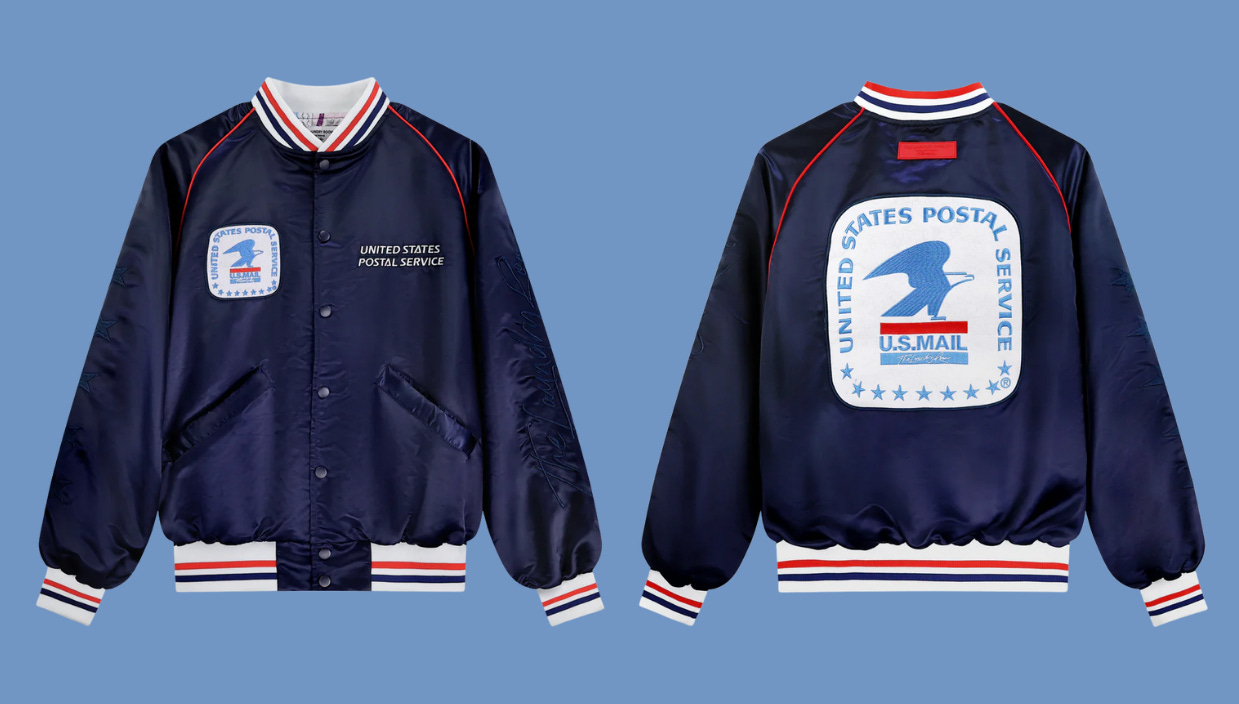
The collection uses both the previous logo, which wrote out “United States Postal Service” in a rectangle around the eagle with stars on the bottom, and current USPS wordmark, which spells out its name in forward-leaning sans serifs and uses crossbar-less As with an open triangular counter.
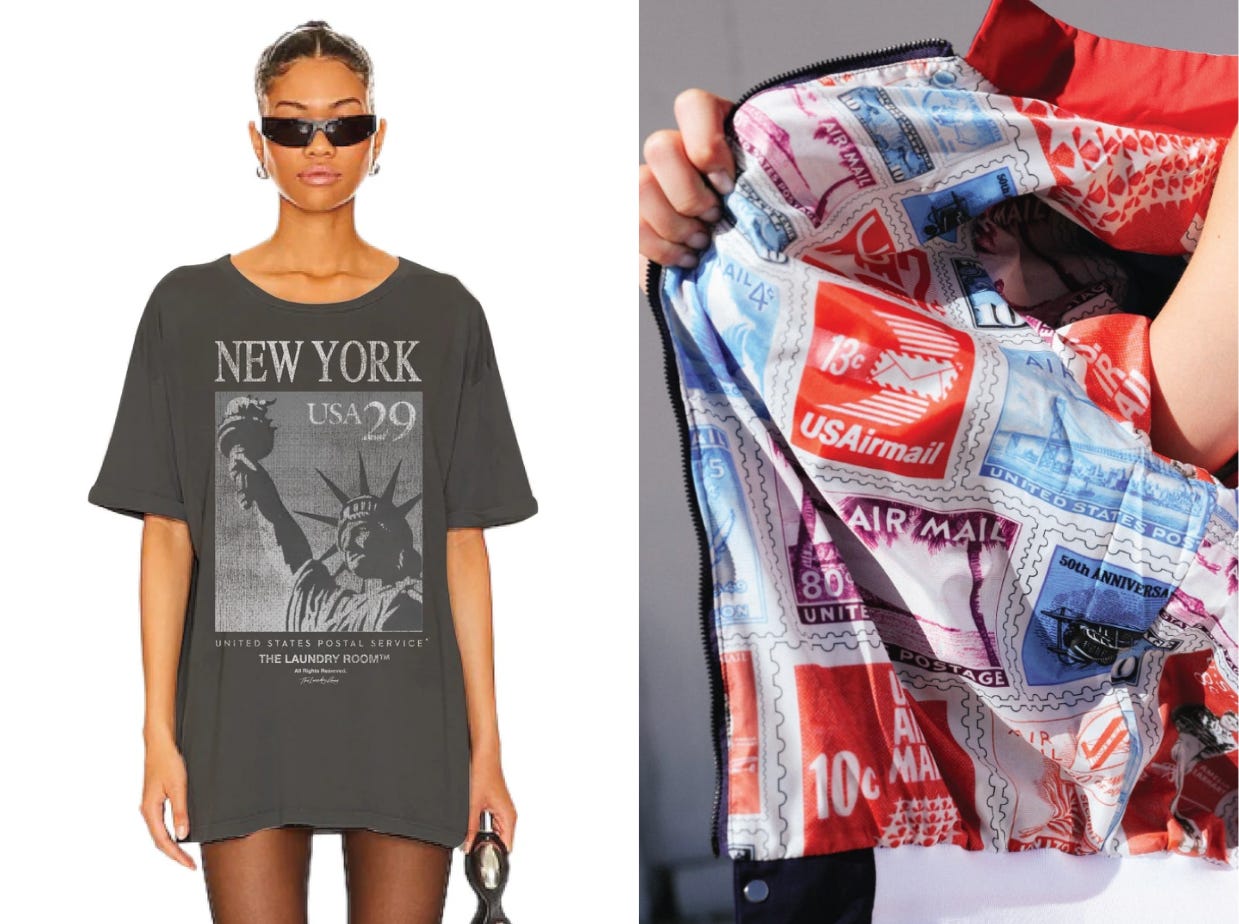
The collection features $198 jackets, $39 caps, and $59 tees that use the pre-1993 logo and post-1993 typography together, and some items pay homage to vintage stamps. The inside of their jacket is lined in a pattern made from postage stamps, like a 13 cent Airmail stamp that shows an envelope with wings, while the “I Love USPS” shirt arranges old airmail stamps into a heart shape.
Other long- and short-sleeve shirts make good use of a great Statue of Liberty stamp designed by artist Tom Engeman that was released in colorful issuances in 1994 and 1997, now rendered on fabric in black and white. The Laundry Room did not respond to a request for comment.
Like NASA, USPS licenses its branding to third parties, such as with the sharp, three-piece vintage-inspired collection from Ralph Lauren last year that used the pre-1970 rider-on-horseback logo from the Post Office Department days, or its sick 2021 collaboration with Vans. The collabs build goodwill for already beloved federal agencies by making their brand accessible and wearable.
To get a license, manufacturers and companies have to meet certain criteria, and supporting the USPS brand strategy is chief among them. Applicants must prove their ability to maintain and enhance the Postal Service’s image and brands, as well as show an ability to produce quality products, distribution capabilities in mass market retail channels, and a cogent business or marketing plan, according to the application.
With its collaboration with the Laundry Room, USPS is lending its assets to a company that’s previously collaborated with the likes of Diet Coke, Little Miss, and Marilyn Monroe, reaching young women and others with its branding both new and old, now reimagined in a new way.
Have you seen this?
There’s only us. There’s no them. It’s a big week. We’ve got a new Madonna album out on Friday and America’s 250th anniversary on Saturday. I was moved by what Ken Burns said about what he’s learned making films about the U.S.: “There’s only us. There’s no them.” Read to the end to see inside Dolly Parton’s Tennessee truck stop. [Whig by Hunter Schwarz]
“It’s dangerous and it’s going to erode trust”: Redesign of U.S. government websites stokes surveillance fears. The National Design Studio, staffed by DOGE veterans, installed visitor-tracking software on vital federal websites. [The Guardian]
Supreme Court loosens campaign finance laws, opening up flood of midterm cash. The ruling struck down limits on coordinated spending between candidates and political parties, and the change is likely to benefit Republicans, who brought the case and rely more on large donors. [Politico]
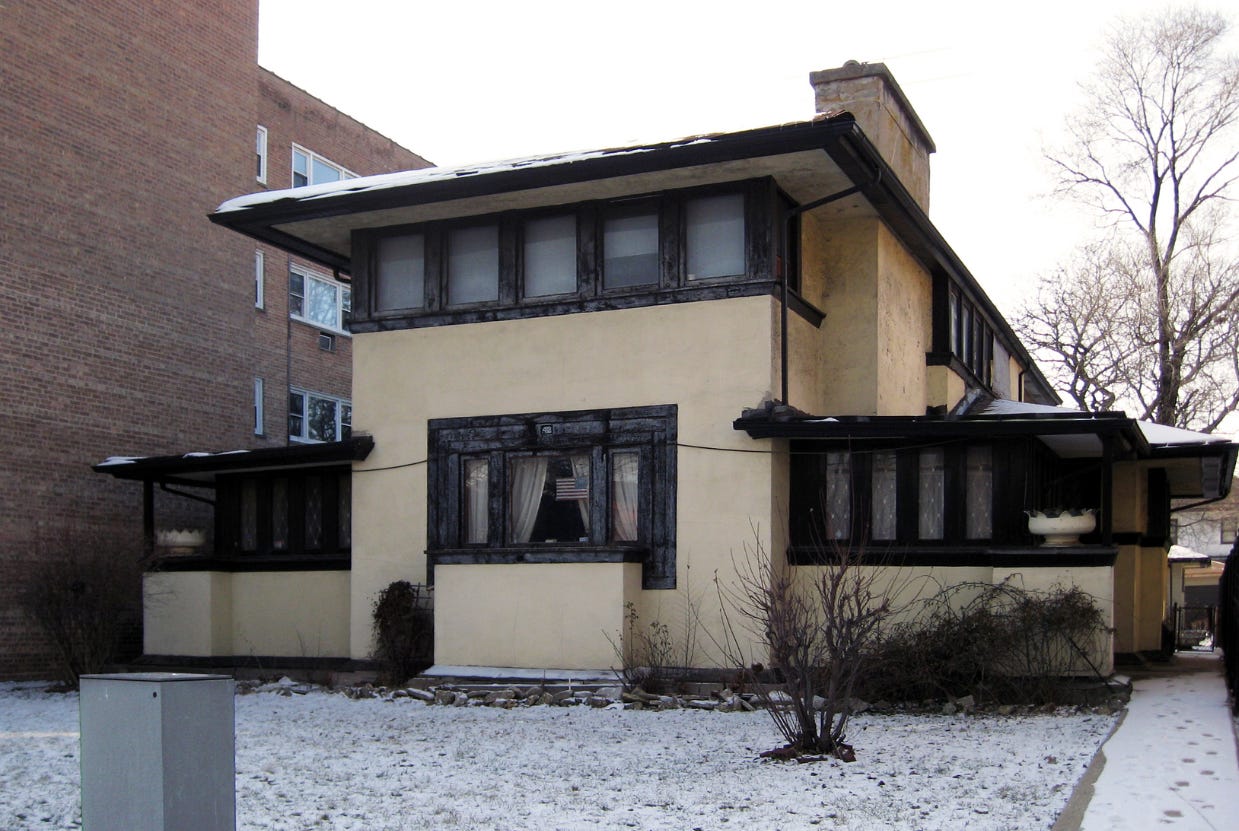
Neglected Frank Lloyd Wright house in Chicago gets a new lease on life. Frank Lloyd Wright’s J.J. Walser House, an architectural icon of Chicago’s Austin neighborhood that fell into disrepair and landed on Preservation Chicago’s annual list of endangered historic buildings last March, finally has a new owner after a local nonprofit, Austin Coming Together, bought the building. [Artnet News]