Inside the Obama Presidential Center's gift shop strategy
Plus: These bills could regulate A.I. and influencers in political advertising

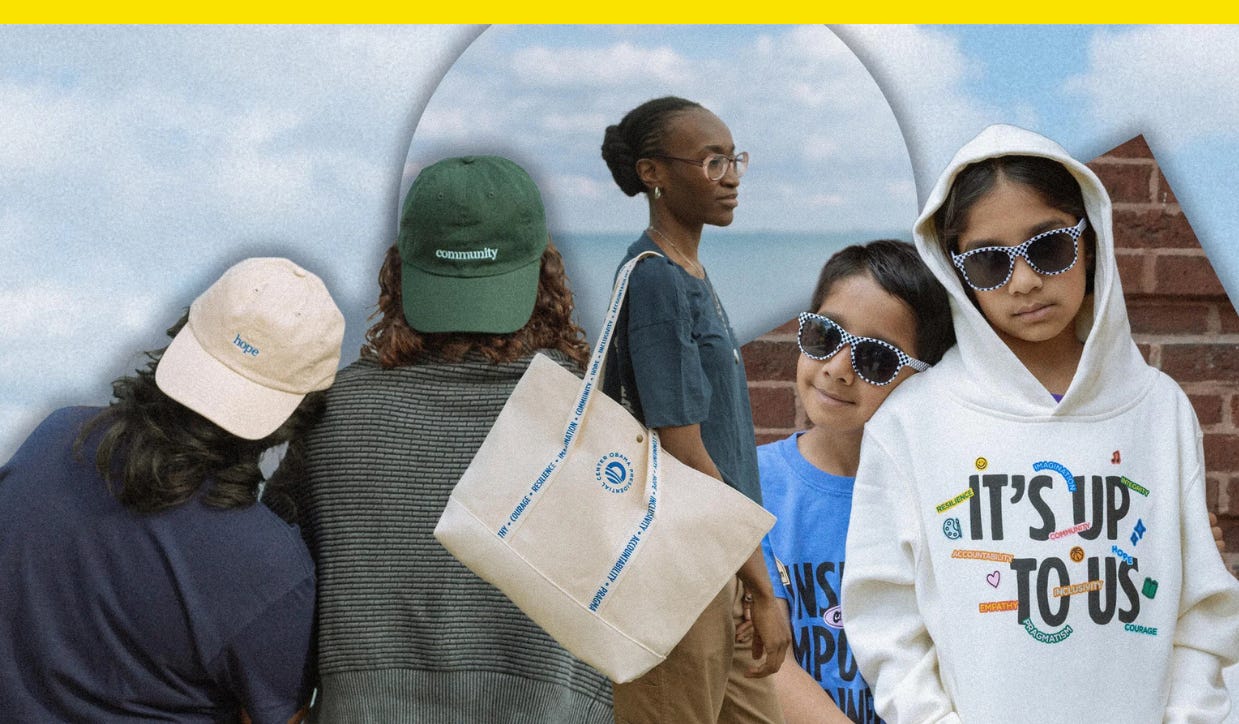
The hope of the designers behind the newly opened Obama Presidential Center is that departing shoppers will look toward the future and not back to the past.
While there are plenty of shirts, hats, and totes that feature former President Barack Obama’s rising sun logo, the logo itself looks a little different. It’s rendered in a single color rather than the old red and blue campaign colorway, and it now features the center’s name in its updated Gotham typeface. The Obama Presidential Center Shop didn’t recreate any old merchandise, like you might see at other presidential libraries, either. Instead, its goods demarcate an evolution of the brand.
The center’s leadership see the 1,800-square-foot retail store as one part of its overall culture, just like the surrounding artwork, exhibits, playground, restaurants, and entire campus. The thinking goes that the mementos visitors can purchase there will inspire them to take what they felt on-site home with them.
“We want them to take [their purchase] home and cherish it and remind them of our purpose, which is to help people be inspired, and then feel the sense of empowerment to bring the change that they feel in our culture back home to their own communities,” Valerie Jarrett, CEO of the Obama Foundation, tells me. “There’s something about the tangible product at the end of that journey that is really meaningful to people.”
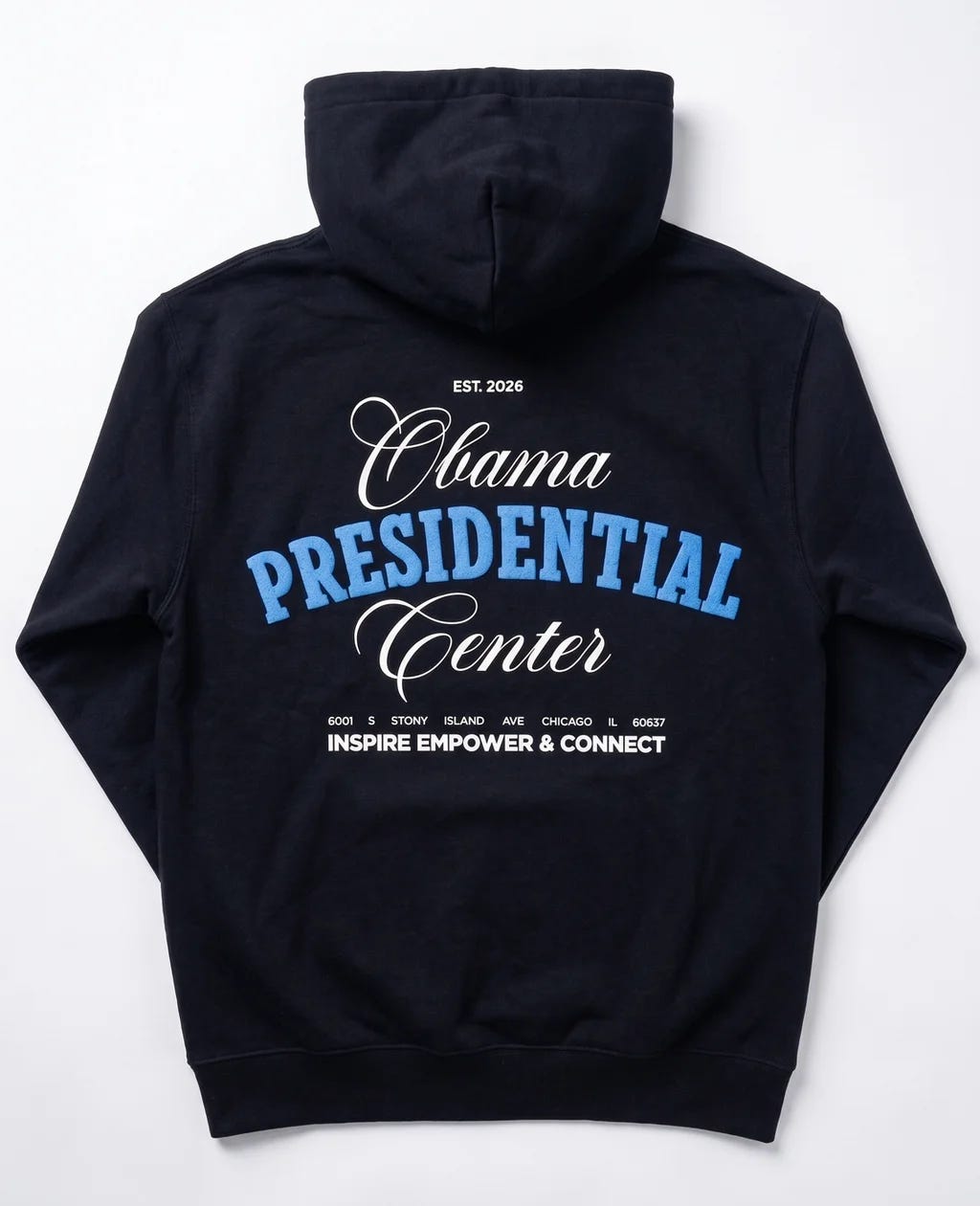
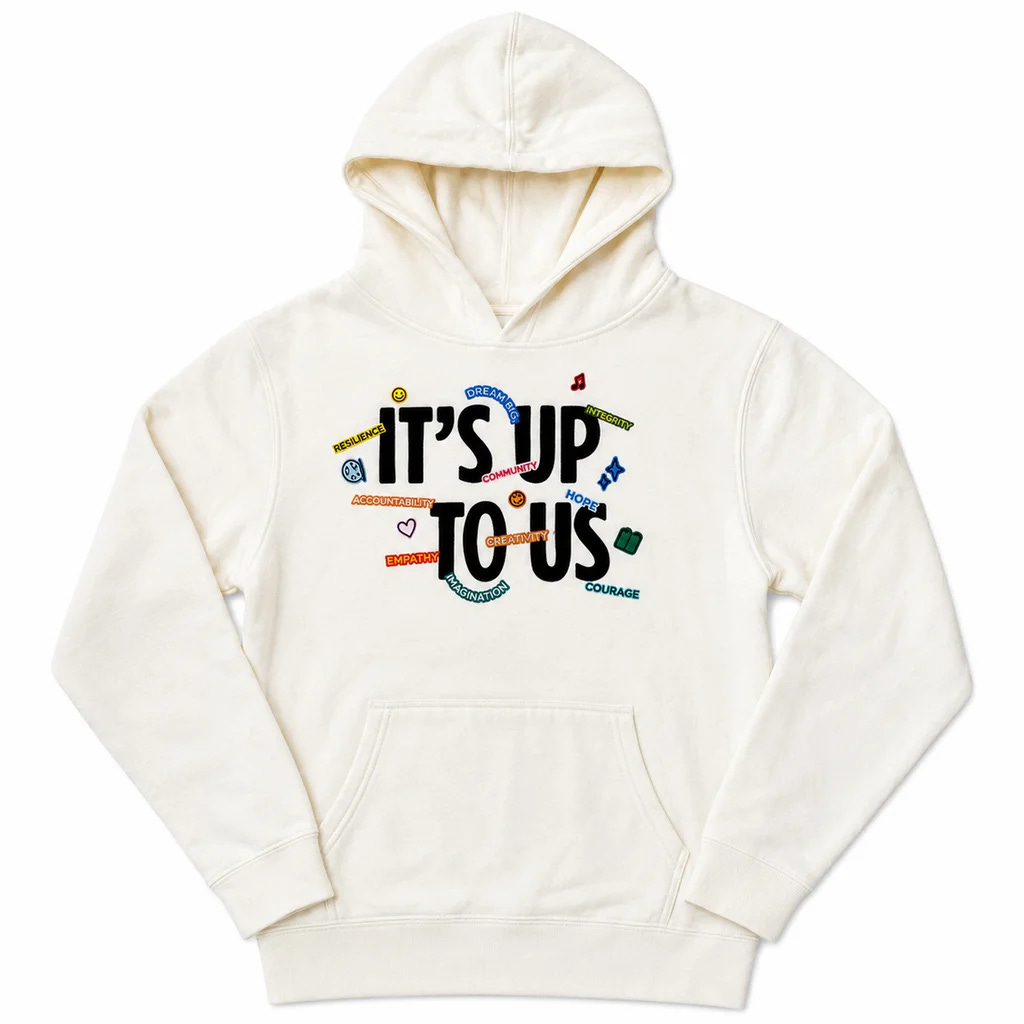
The theme of the shop’s retail strategy is “Tools for Change.” Its top-selling items so far include a $50 green sweatshirt that says “Hope” on the front, an $80 hooded sweatshirt and $35 cap that reads “Obama Presidential Center” in a script font that wasn’t on trend when Obama last ran for office, and a youth hooded sweatshirt that says “It’s Up To Us.”
The gift shop has so far been more successful than the center anticipated. It’s had to add kiosks outside and around the campus to help manage foot traffic to the store itself.
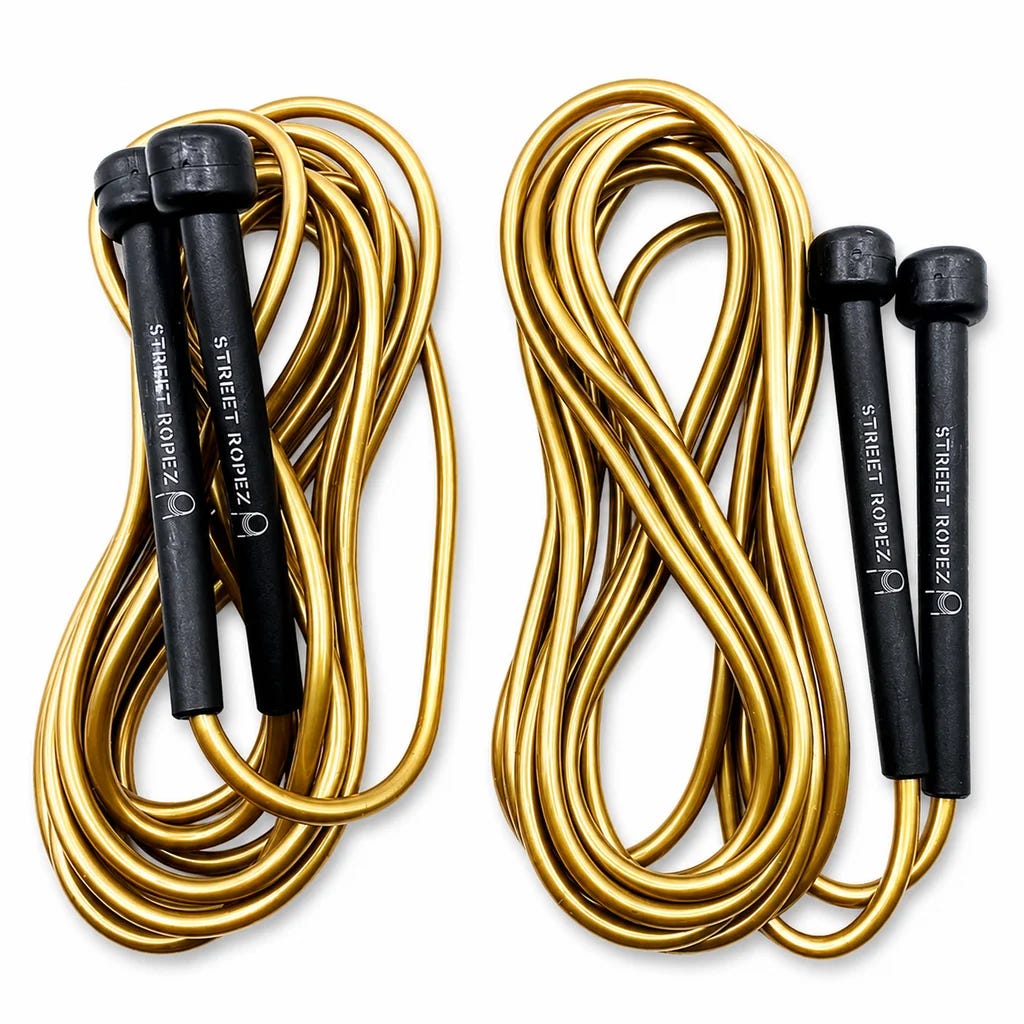
The shop has products from 69 vendors, 45% of which are diverse- or women-owned, and 20% of which are local businesses, such as Circa Ceramics, which makes mugs, and Black Girls Jump Inc., which makes a jump rope that honors the former first lady Michelle Obama’s “Let’s Move!” campaign. Jewelry brands the former FLOTUS has worn before are also current vendors, including Chan Luu and ByChari, which created the “Vote” necklace Obama wore during her 2020 speech at the Democratic National Convention. A $10 metal and enamel “Vote” pin was designed by the Chicago brand The Found.
“It’s sort of easy for us to use the rising sun, and the Obama blue, and the font that everybody is familiar with,” says Michael Strautmanis, the Obama Foundation’s chief corporate affairs officer. He admits that when the center’s design team came forward with ideas for products in colors like pale yellow and lavender, he didn’t get it at first.
“It feels really fresh, and I didn’t get it, and then I saw it out in the world, and I was like, you know what? They were right,” he says. “It’s just a lesson that this is not for an audience of one, right? We want to find ways that meet what’s on trend.”
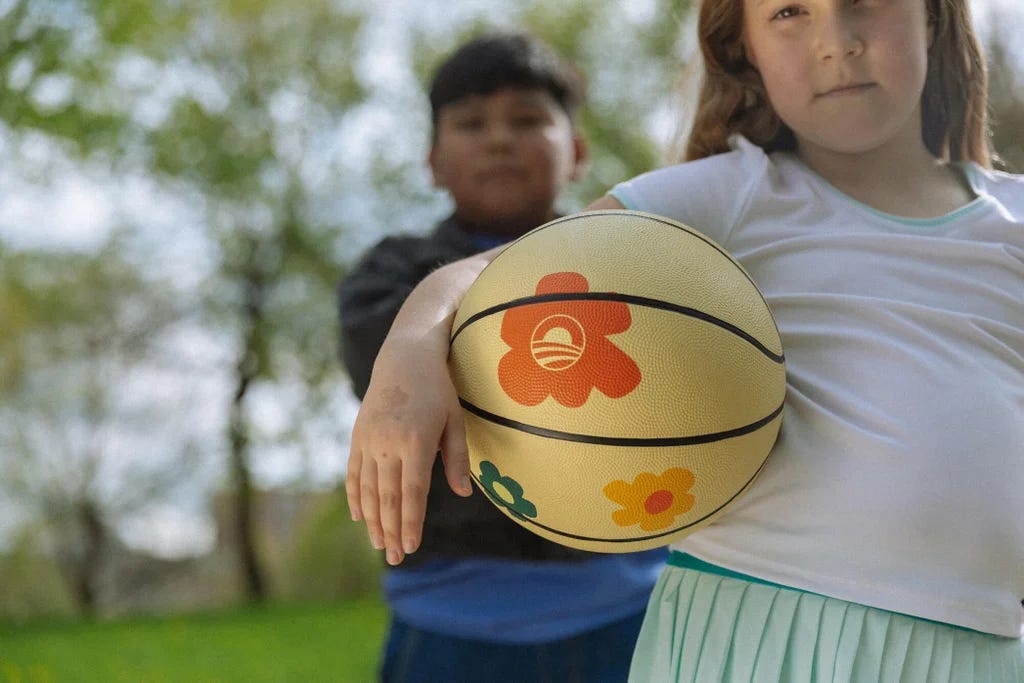
Retail collections touch on various themes. The “Chicago Proud” collection pays homage to the city the center calls home, while the basketball collection “Home Court” features items like a $60 duffel bag and $80 jersey. The “Rooted in Community” collection includes gardening tools as well as $15 kits to grow strawberries and cherry tomatoes that recall the Obama White House vegetable garden.
The center collaborated with Event Network for retail strategy and operations, the agency Department of Merch for retail creative strategy, and Studio 888 for branded merchandise design. It takes about three months for a product to go from concept to in-store, and they’re already working on items for the holidays in time for Christmas.
At the grand opening last month, Obama told alumni he doesn’t believe in nostalgia because it lets society off the hook by idealizing the past instead of moving toward action in the present. His center’s gift shop was designed around the sentiment.
This story was first published in Fast Company.



These bills could regulate A.I. and influencers in political advertising
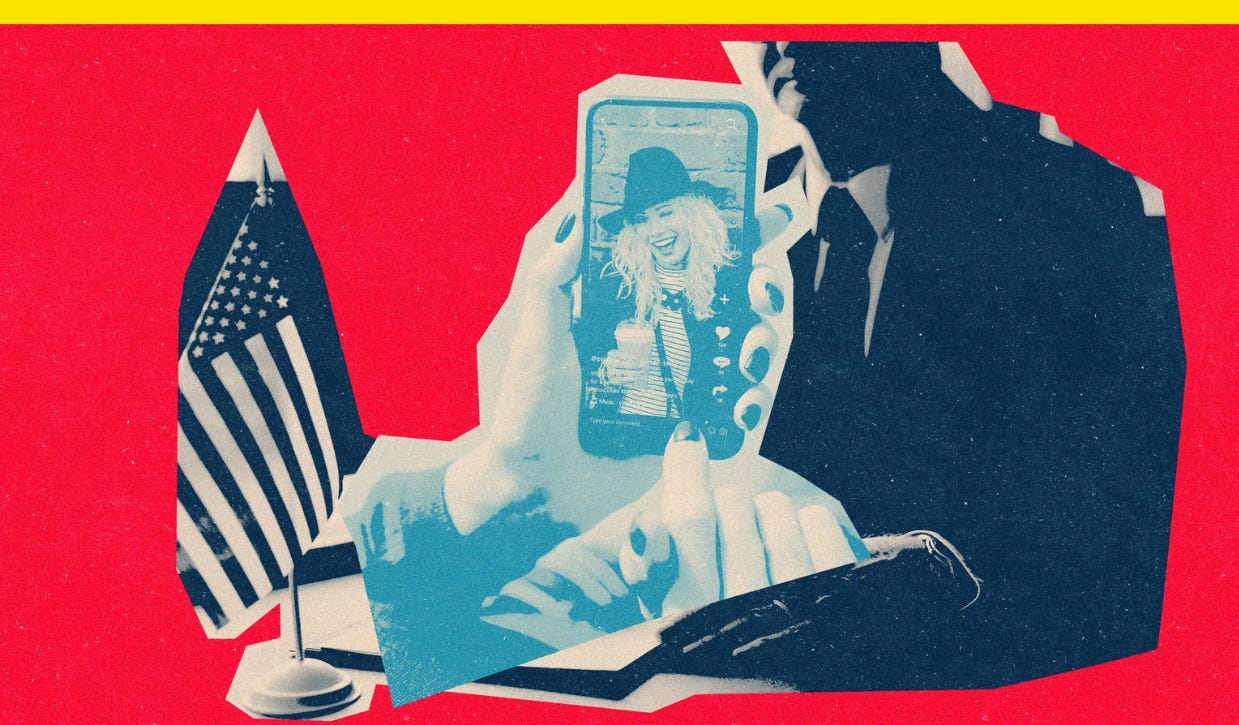
Political advertising disclosures in the U.S. used to be fairly simple. Since 2002, campaigns recorded commercials for television and radio that have been required to include information about who paid for them along with language that they approve this message. Political advertising today isn’t always that straightforward.
Thanks to A.I. and paid influencers, plenty of political ads don’t follow that standard script anymore, leaving voters in the dark that what they’re seeing. Instead of just paid traditional ads slotted between commercial breaks on TV or in between songs on the radio that clearly identify themselves as advertising, it’s also digital content designed to stop you mid-scroll on social media. This content isn’t always real, and it certainly doesn’t always say who’s paying for it.
A pair of bills introduced this week by a trio of California Democrats looks to change that.
A new era of political ads
California has faced these new, unconventional forms of political advertising during its primaries this year. During the Los Angeles mayor’s race, former reality TV star Spencer Pratt got traction from dramatic A.I.-made videos he reposted to social media, not traditional TV ads (In one of the A.I.-generated videos, which was Batman themed, the former reality TV villain portrayed himself as the hero).
Meanwhile in the state’s governors race, billionaire and former gubernatorial candidate Tom Steyer is facing a complaint with the Fair Political Practices Commission that the influencers he paid to post about his campaign didn’t disclose they were posting paid political ads.
Sen. Adam Schiff on Monday introduced the AI Ads Act, which would ban fraudulent A.I. in political ads, and the Promoting Authenticity with Influencer Disclaimer (PAID) Act, which would require influencers to disclose who prominently who paid them to post. The bills, first reported by Semafor, could help modernize political advertising law at a time when political communications is rapidly changing.
A.I. political ads and influencers paid to post without disclosures
The AI Ads Act, which Schiff first introduced in 2024 and reintroduced Monday with Rep. Ro Khanna, would update existing campaign advertising and fundraising law to expand a ban on fraudulent misrepresentation to include content generated all or in part by A.I.
“Fraudulent A.I. advertising has already proliferated in races across the country, and if Congress does not act, this runaway challenge will only get worse as A.I. becomes increasingly capable of blurring the lines between fact and fiction,” Schiff said in a statement. “With November elections around the corner, time is of the essence to reign in false political advertising.”
The PAID Act, which Schiff introduced with Rep. Mark Takano, would update existing election advertising law to require paid posts online to include “clear and conspicuous manner that the communication has been paid for.” It makes exceptions for content posted on a political committee’s own website or content posted by political committee employees whose job is post content.
“Users deserve to know if a creator has been compensated by a campaign to post for them,” Takano said in a statement.
Adapting regulations for the way political actors communicate with voters now
When it comes to A.I. in political ads, the issue has so far been decided at the state level, with 31 states passing laws about deepfakes and A.I. disclosures as of June, according to the National Conference of State Legislatures. At the national level, both Democratic and Republican lawmakers have before introduced legislation that would restrict deepfakes and mandate A.I. disclosures in political ads.
Federal law already requires influencers to disclose when their posts are paid advertisements, political or not, though studies have shown few do. In politics specifically, special interest groups and foreign governments like Israel and Russia have been caught paying influencers to post.
“Those who follow these influencers are deceived into thinking these messages are genuine independent thought, when the messages are simply paid commercials,” said Craig Holman, a government affairs lobbyist for the consumer advocacy organization Public Citizen said in a statement.
Both the AI Ads Act and PAID Act are endorsed by Public Citizen as well as the government watchdog groups Citizens for Responsibility and Ethics in Washington, or CREW, and Common Cause.
Transparency in the U.S. electoral system has “historically been a bulwark of our democracy,” says CREW vice president for policy Debra Perlin. Regulating the improper use of A.I. in ads will “help protect against the potential use of A.I. to confuse or mislead voters,” she said in a statement, while updating influencer disclosures will adapt regulations for the way political actors communicate with voters now.
Not every political ad today ends with the candidate looking straight to camera and saying their name and that they approve this message. By updating regulations to acknowledge that reality, voters will know when what they’re seeing is an ad.
This story was first published in Fast Company.
Have you seen this?
Women set new records for candidacies in 2026, data shows. Women have already set a new record for gubernatorial and U.S. Senate candidacies this cycle, and the number of women running for U.S. House seats is also nearing an all-time record. [Campaigns & Elections]
Trump unveils gleaming gold makeover of D.C. horse statues. Trump shared photos on Truth Social as workers dismantled scaffolding hiding the golden horses near the Lincoln Memorial. [Fox News]
Trump orders signage warning visitors of “inaccurate information” at Smithsonian. Smithsonian Institution’s museums, President Donald Trump is trying a new tactic in the front yard. [NBC News]
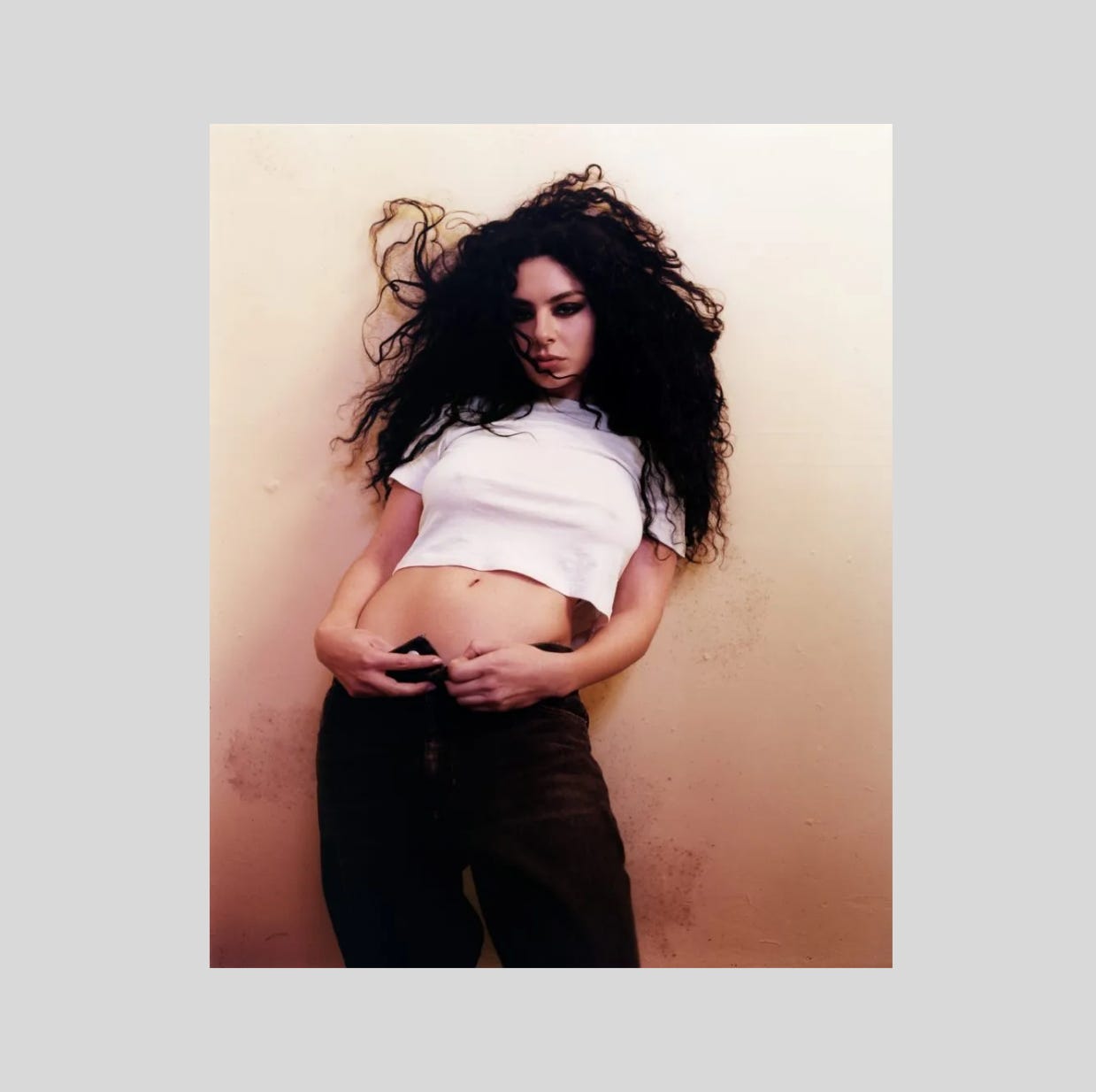
Charli XCX joins (London’s) National Portrait Gallery’s storied ranks. The snap by fashion photographer Harley Weir helped define the British pop star's Brat-era image. [Artnet News]