Trump's pushing voting restrictions. A voting group is responding with communication design.
Plus: A conservative conservation group made its own D.C. banner of Teddy Roosevelt


If President Donald Trump has his way, it could be harder to vote in November’s midterm elections. One voter ID group is preparing for the worst with a rebranded website that was inspired by 1960s and ‘70s public service announcements and designed to help voters make sure everything is all squared to cast their ballots by Election Day.
The Trump-backed Save AMERICA Act could block millions of Americans from voting, according to the nonpartisan law and policy institute Brennan Center for Justice. The group found the legislation’s “show your papers” requirements in early drafts of the bill, like showing your passport or birth certificate to vote, could prove onerous and prevent millions of otherwise eligible voters from voting. About half of Americans, for example, don’t have a passport.
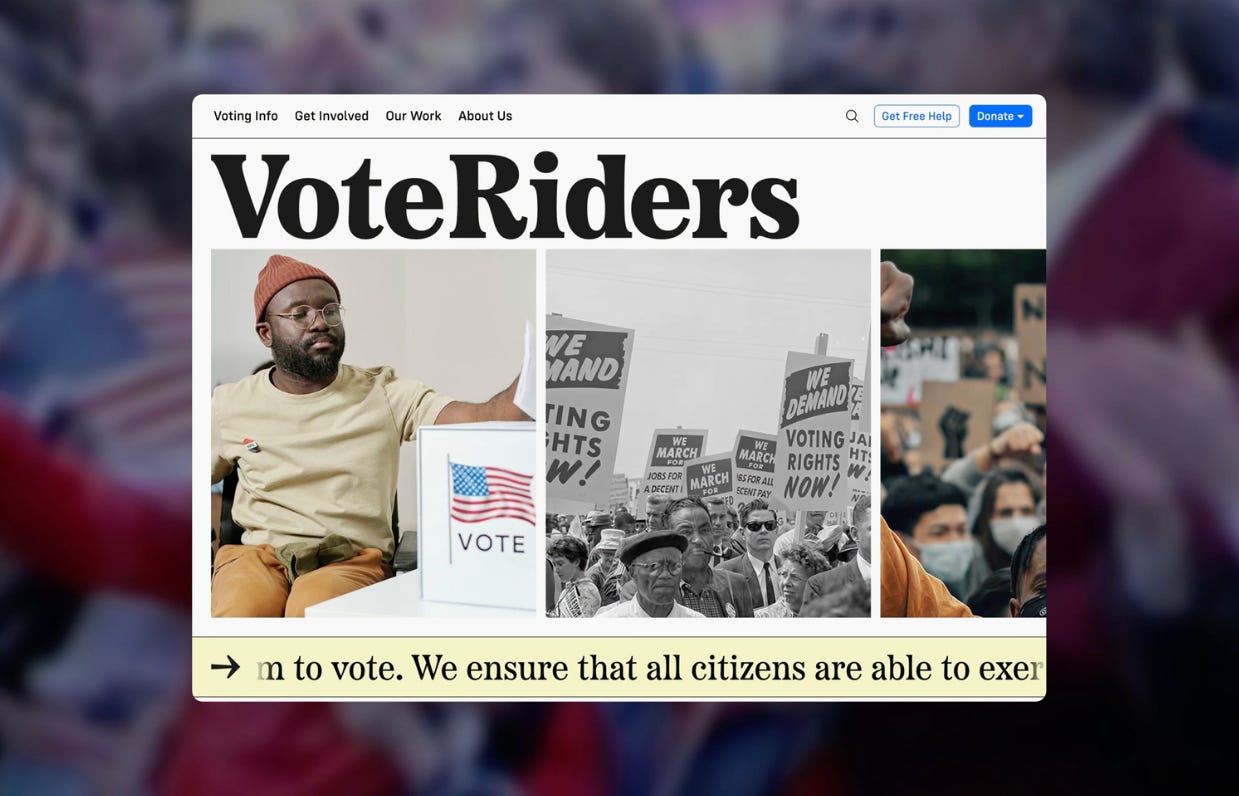
VoteRiders, a nonpartisan nonprofit focused on voter ID, redesigned its website to prepare would-be voters for whatever comes by helping them get the IDs they need.
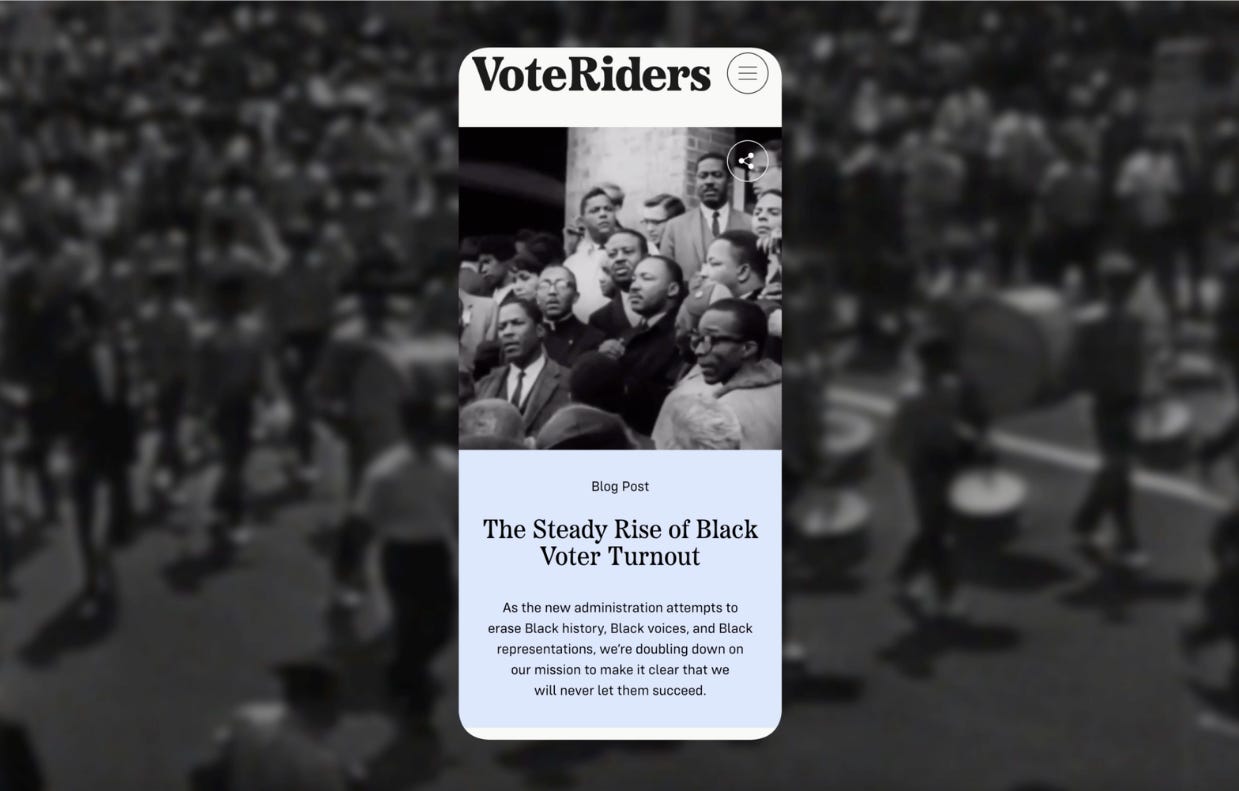
While the Senate filibuster for now prevents the Save Act from passing into law, state-level legislation that would require verifying citizenship to vote is popping up across the country, according to the National Conference of State Legislatures, or NCSL, which monitors state legislation.
VoteRiders keeps up with any changes and helps people get documents required to vote in their states — such as birth certificates, a copy of Social Security cards, name change records, or naturalization certificates — and even requests and pays for them and offers transportation to ID appointments if necessary.
The group’s website redesign was done by the design consultancy Synoptic Office with a brand identity designed by Morgan Searcy, a designer who’s worked before for Sen. Elizabeth Warren’s (D-Mass.) 2020 presidential campaign and Sen. Jon Ossoff’s (D-Ga.) Senate campaign.
“Most people think you register to vote and that’s it,” Casper Lam, Synoptic Office’s co-founder, said in a statement. “But having the ID you need to vote is a step that many people don’t fully understand and often miss. The complexity of the issue is matched by the complexity of the content.”
Their role was to organize that complexity into something clear, navigable, and empowering, Lam says. The visual brand uses high-contrast colors and there’s a mix of historic and contemporary photography about voting and voting rights as well as photos of voting-rights-themed street art. The font the site uses is Etna, a vintage-style serif released by type designer Mark Simonson in 2020 that’s inspired by a Victorian wood type style.
Requiring voters show photo ID to vote is popular, with 84% of U.S. adults favoring it in 2024, per Gallup polling. Opponents of increasingly strict voter ID laws, however, argue that they’re veiled forms of voter suppression meant to erect barriers to vote. The new VoteRiders site was designed to eliminate those barriers.
The site lets users check ID rules in their state and request help to get any necessary ID. Every page was designed with a pathway to action, “so information never stands alone,” Synoptic Office co-founder YuJune Park says. “It always connects to what someone can do next.”
While the new VoteRiders brand lives online, there’s also a physical component designed to reach people without reliable internet access with bus ads, printed flyers, and informational cards for rules in each state.
A conservative conservation group made its own D.C. banner of Teddy Roosevelt
Make conservation Republican again?
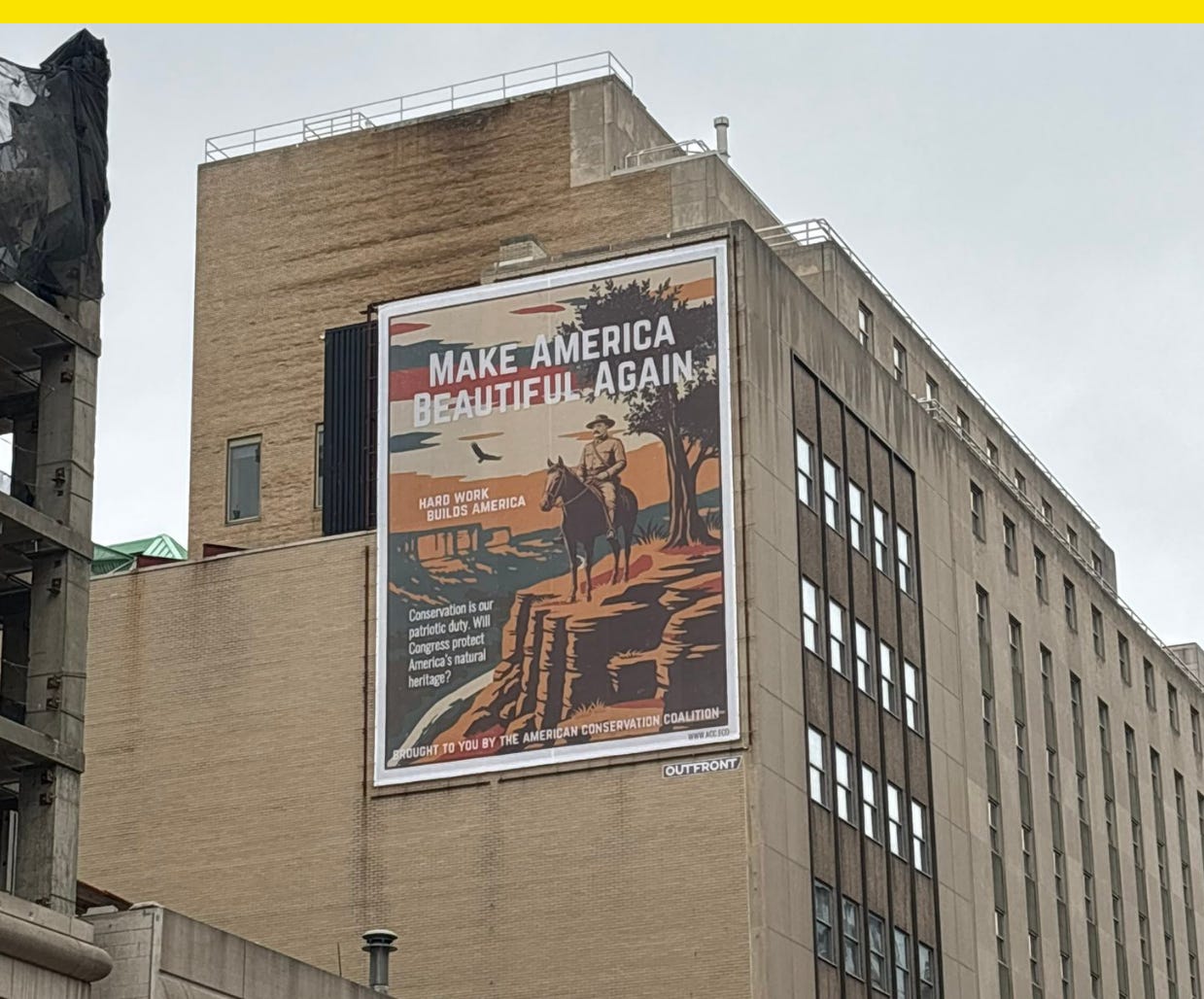
A new banner of Teddy Roosevelt with the message to “Make America Beautiful Again” is now up in Washington, D.C., at the corner of H and 11th Streets. It’s not one of the federal government’s growing number of banners, but commissioned by the American Conservation Coalition, or ACC, a conservative conservation group.
“President Roosevelt is known as the ‘Conservation President’ and has long been an inspiration for our organization,” ACC vice president of communications Karly Matthews tells me. “The goal of this installation is to show where America has been and where we can go on the issue of conservation.”
The artwork for the banner was created by ACC creative director Lucero Cantu. She purposefully drew inspiration from the 1930s National Park Poster series commissioned by the Works Progress Administration during another Roosevelt’s presidency, Democrat FDR. Text on the poster reads “Hard Work Builds America” and “Conservation is our patriotic duty. Will Congress protect America’s natural heritage?” Cantu has designed other similarly styled posters picturing conservatism for a conservative audience.
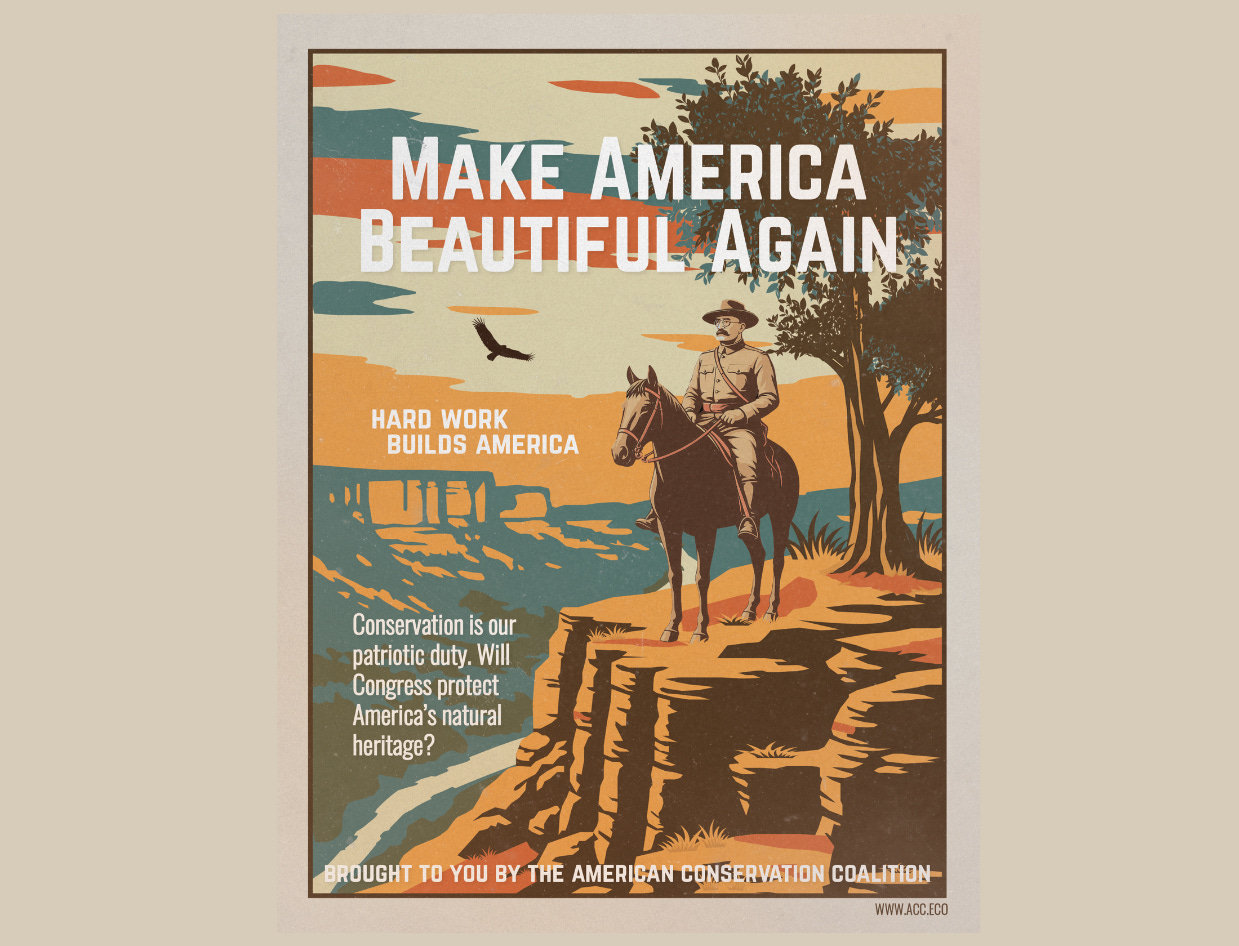
The banner is up in support of “Make America Beautiful Again” or MABA, and it will be hanging until March 29 following the Department of the Interior’s launch last month of a MABA Commission.
Mainstream environmentalists worry the commission will do the opposite of conserve. The commission’s list of priorities emphasizes voluntary efforts over regulation and rebalancing economic growth and environmental stewardship more towards economic growth. That approach has been criticized as “Trump’s version of greenwashing” by Sierra, the magazine for the environmental group the Sierra Club. The Mojave Desert Land Trust said MABA pushes a narrative that public lands with poor conservation outcomes are due to “burdensome regulations” rather than “declining staffing and funding for land management agencies.”
Matthews says the ACC “champions a market-based environmental approach, not an approach guided by mandates and regulations” and adds that “by empowering conservationists with local knowledge, we can better steward our natural resources, like forests, agricultural lands, and other crucial ecosystems.”
The presidencies of both Roosevelts left National Parks legacies in their own ways, while the Trump administration has made deep cuts to National Parks. Trump’s environmental record has been widely criticized by environmental groups, and the Center for American Progress says the administration’s elimination of environmental protections could expose more than 2 million kids to pollutants.
New York City built an internal tool to geotag snow-plowed bus stops
NYC’s novel plan to keep pedestrian infrastructure clear.
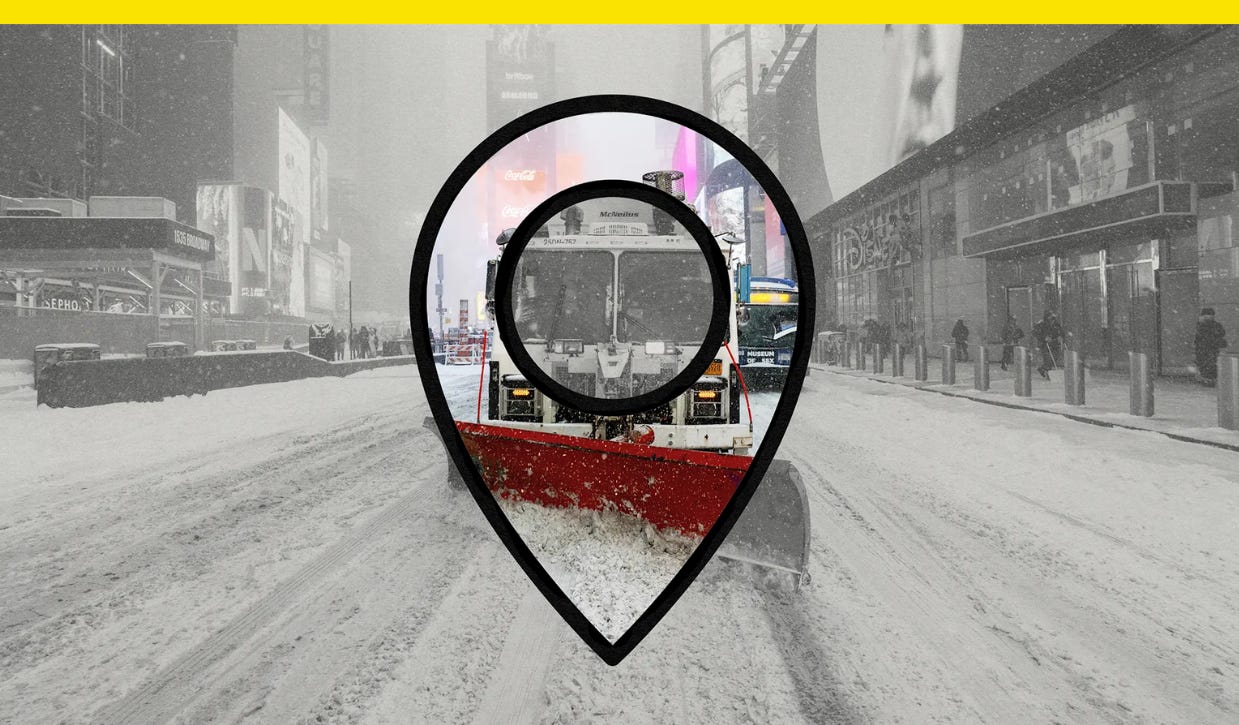
As snow piled up in front of bus stops and fire hydrants during New York City’s second winter storm of the year, city workers tried to move fast to remove it before snow hardened into ice. A new internal tool makes that job easier to track.
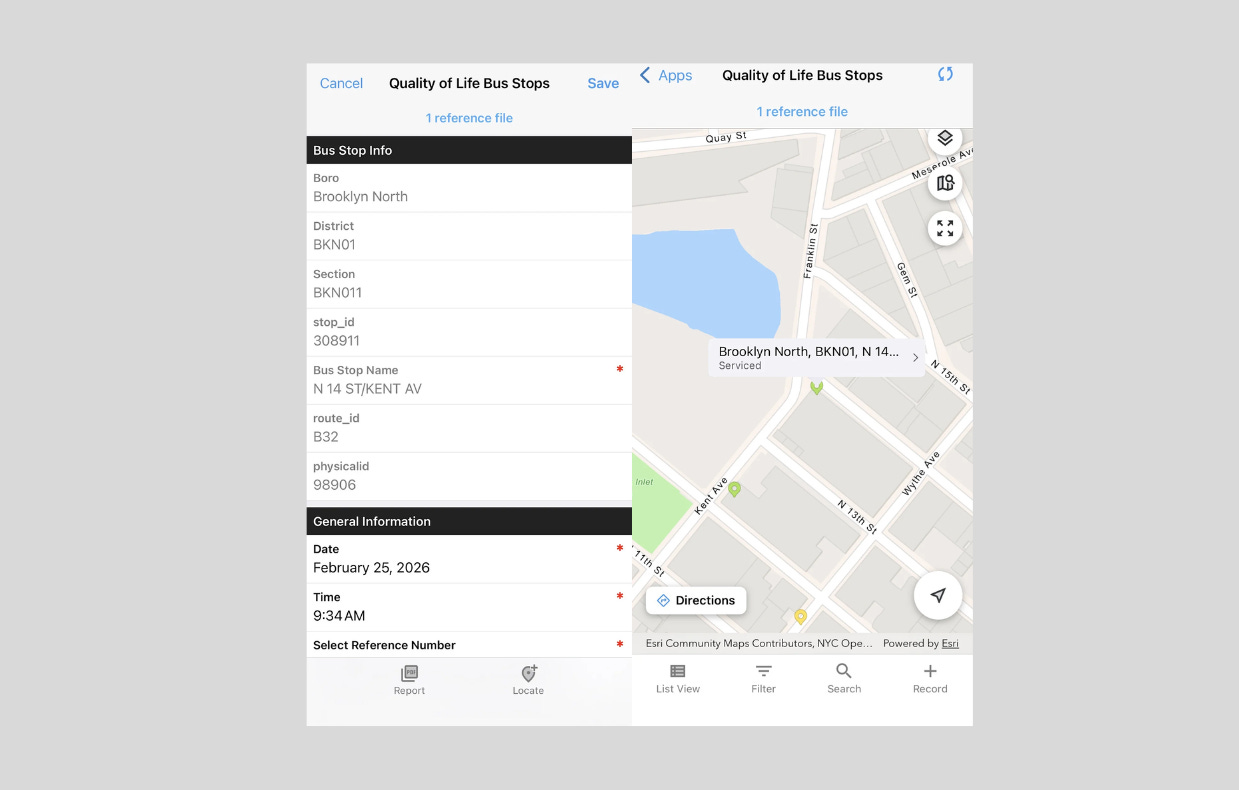
The city’s Department of Sanitation, or DSNY, now tags infrastructure that’s been plowed in a mobile mapping tool that employees can update on the go.
“We have started the work of geotagging every single bus shelter and crosswalk,” Mayor Zohran Mamdani said last week, and overnight, he said the city cleared more than 1,600 crosswalks, 419 fire hydrants, and nearly 900 bus stops.
DSNY handles trash collection, but it’s also tasked with snow removal from city streets and bike lanes, areas within its legal obligation. DSNY sometimes provides supplemental services too, plowing pedestrian infrastructure like curb ramps, unsheltered bus stops, and fire hydrants that property owners are responsible for.
In the past, this supplemental work was done piecemeal, but under Mamdani, the amount of supplemental service has “vastly increased,” says Joshua Goodman, a DSNY deputy commissioner. “That necessitated a need to formally track this work,” he says.
Cities from Bellevue, Washington, to Syracuse, New York, use digital maps to show residents when streets get plowed, and New Yorkers can track when their streets were last plowed on PlowNYC, a public site launched in 2013. DSNY needed its own PlowNYC, but for bus stops and more.
“We developed an internal mapping tool, and Sanitation Supervisors make live updates from the field when one of these locations in their assigned section is complete,” Goodman tells me. “So maybe it’s a bit simpler than the terminology implies — it’s essentially someone making updates to a central database on their work cell phone — but it’s a big development for us, especially so quickly.”
“This is our first storm using it, but it is allowing greater efficiency around clearing these important areas,” he adds.
Preparations began following the snowstorm in January, when sites were surveyed for the mapping tool. The interface looks like a typical maps app, and while perhaps simpler than what the idea of “geotagging” might conjure, the database of information the tool stores is vast. New York City has about 13,000 bus stops and about 83,000 crosswalks in commercial corridors. The tool was designed by the DSNY operations management division, which is its data and analytics team.
To handle snow from the latest storm, DSNY delayed trash and recycling collection so its workers could prioritize snow removal, and it hired hundreds of emergency temporary snow shovelers for $30 per hour. That’s a pop-up snow shoveling army with tens of thousands of sites and miles of ground to cover. Tracking this work with clipboards wouldn’t be efficient. By developing an internal tool to better monitor their job, DSNY found a quick solution to solve a pressing problem.
This story was first published in Fast Company.
Have you seen this?
U.S. at war. As Saturday Night Live’s “Weekend Update” host Colin Jost put it, “I’m starting to worry that President Trump might not win that peace prize.” Trump announced joint U.S.-Israeli strikes on Iran early Saturday in the dead of night U.S. time, and his story doesn’t all add up. [Whig by Hunter Schwarz]
WinRed says campaign merchandise sales have surpassed $250 million. The milestone underscores the extent to which Republicans have come to rely on merchandise sales — of items like t-shirts, baseball caps, lapel pins and coffee mugs — to fund their political operations. [Campaigns & Elections]
Timberland made a slip-on boot. The upper retains Timberland’s signature nubuck leather build, complete with visible stitching and padded collar details, but traditional lace-up fastenings are replaced by a clog-style slip-on design [Hypebeast]