
Traditional attack ads don’t work on Trump and sometimes backfire, Republican group finds
Plus: Will Congress pass regulations for A.I. in political ads?
Hello, in this issue we’ll look at…
Traditional attack ads don’t work on Trump and sometimes backfire, Republican group finds
Will Congress pass regulations for A.I. in political ads?
Meghan Thee Stallion’s mental health PSA is about checking in on your friends
Scroll to the end to see: What books LaVar Burton wants you to read. 📚
Welcome to YELLO, a newsletter about politics, art, branding, and design. Consider upgrading your subscription to support my work and get access to subscriber-only stories:
Traditional attack ads don’t work on Trump and sometimes backfire, Republican group finds
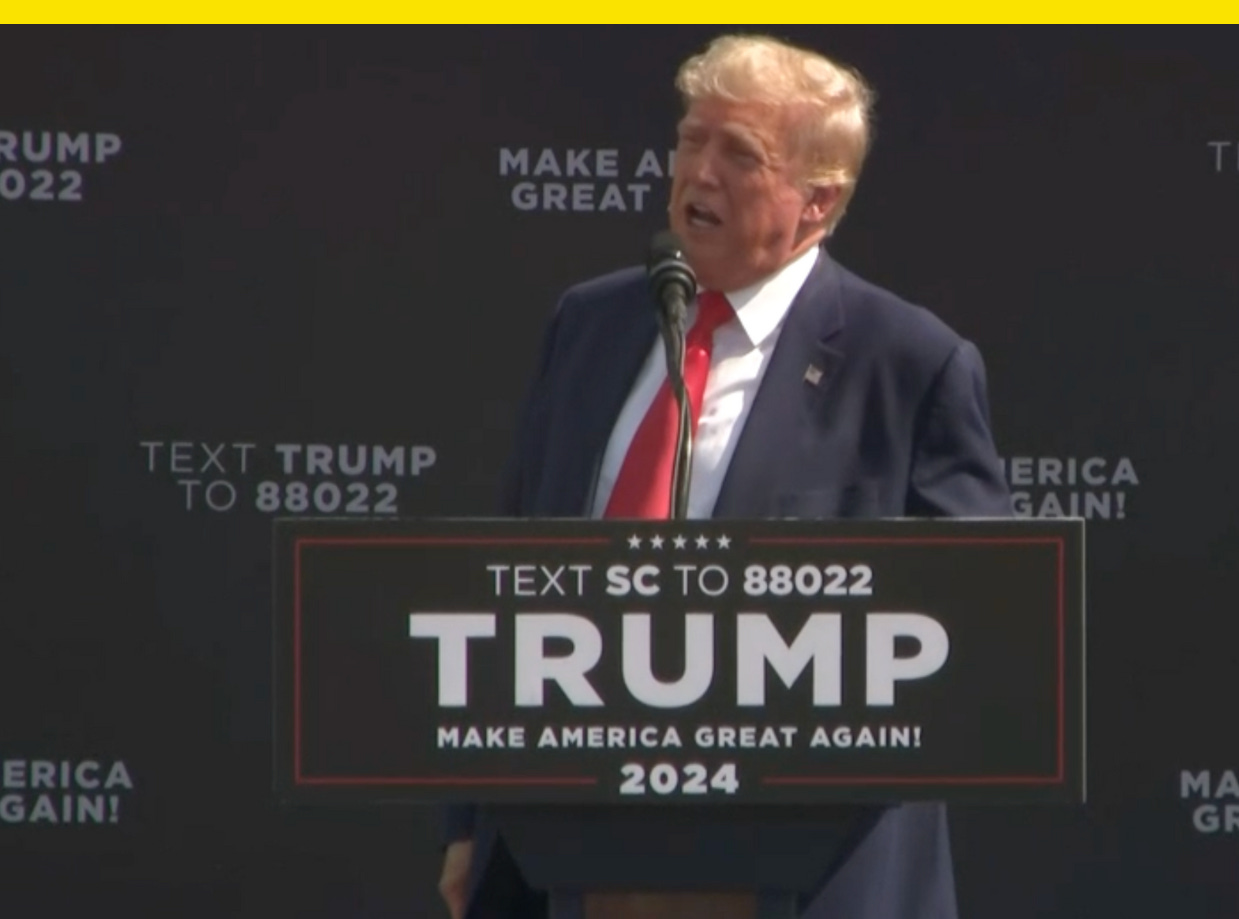
After producing 40 ads, holding 12 in-person focus groups, and running a $4 million test in three Iowa media markets with control groups, Win It Back, a conservative political action committee trying to prevent former President Donald Trump from retaking the Republican nomination, found damaging Trump’s standing among Republican voters requires a gentle touch.
“Every traditional post-production ad attacking President Trump either backfired or produced no impact on his ballot support and favorability,” David MacIntosh, president of the conservative Club for Growth associated with the PAC, wrote in a memo to donors obtained and first reported by the New York Times.
According to the memo, attempts to undermine Trump’s conservative credentials on specific issues were ineffective. The group ran ads that criticized Trump’s handling of the COVID-19 pandemic, showed similarities between his and President Joe Biden’s support for gun violence prevention measures, and criticized Trump for adding more to the national debt than Biden. The pandemic ad actually improved Trump’s favorability while the latter two ads had zero impact, the memo said.
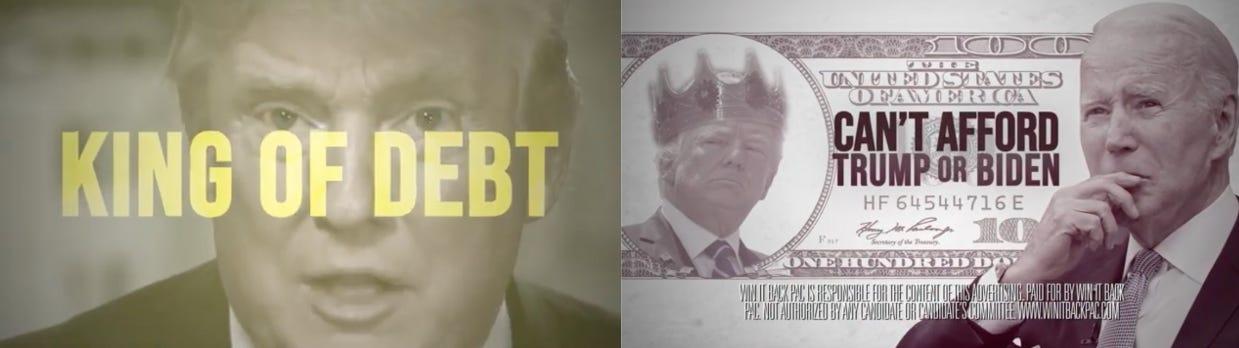
“Even when you show video to Republican primary voters with complete context of President Trump saying something otherwise objectionable to primary voters, they find a way to rationalize and dismiss it,” MacIntosh wrote.
Here’s what does work, though, according to the group’s findings:
Disarming viewers at the opening of the ad by showing that the person being interviewed is a Republican who previously supported Trump, otherwise, “the viewer will automatically put their guard up, assuming the messenger is just another Trump-hater whose opinion should be summarily dismissed.”
Raising concerns about Trump’s inability to beat Biden.
Raising concerns about “Trump fatigue” due to polarization and distractions he creates.
Criticizing Trump’s pattern of attacking conservative leaders for self-interested reasons.
Win It Back ran six of its top-performing ads in the Des Moines, Cedar Rapids, and Sioux City, Iowa media markets and conducted surveys that included control groups in other parts of the state. They found ads that followed those best practices contributed to a drop among voters who have a favorable view of Trump and among those who are definitely considering voting for him.
Win It Back PAC did not respond to a request for comment.
Will Congress pass regulations for A.I. in political ads?
Congress has been busy these past few days doing the people’s business: narrowly averting another government shutdown, passing a Senate dress code, and removing Rep. Kevin McCarthy (R-Calif.) as House Speaker, the first time the chamber has done so in its history via a motion to vacate. Wow, thank you, guys.
But lawmakers are also moving forward on discussions about artificial intelligence and elections, and at a Senate Rules Committee hearing last week, witnesses were invited to share their thoughts and recommendations.
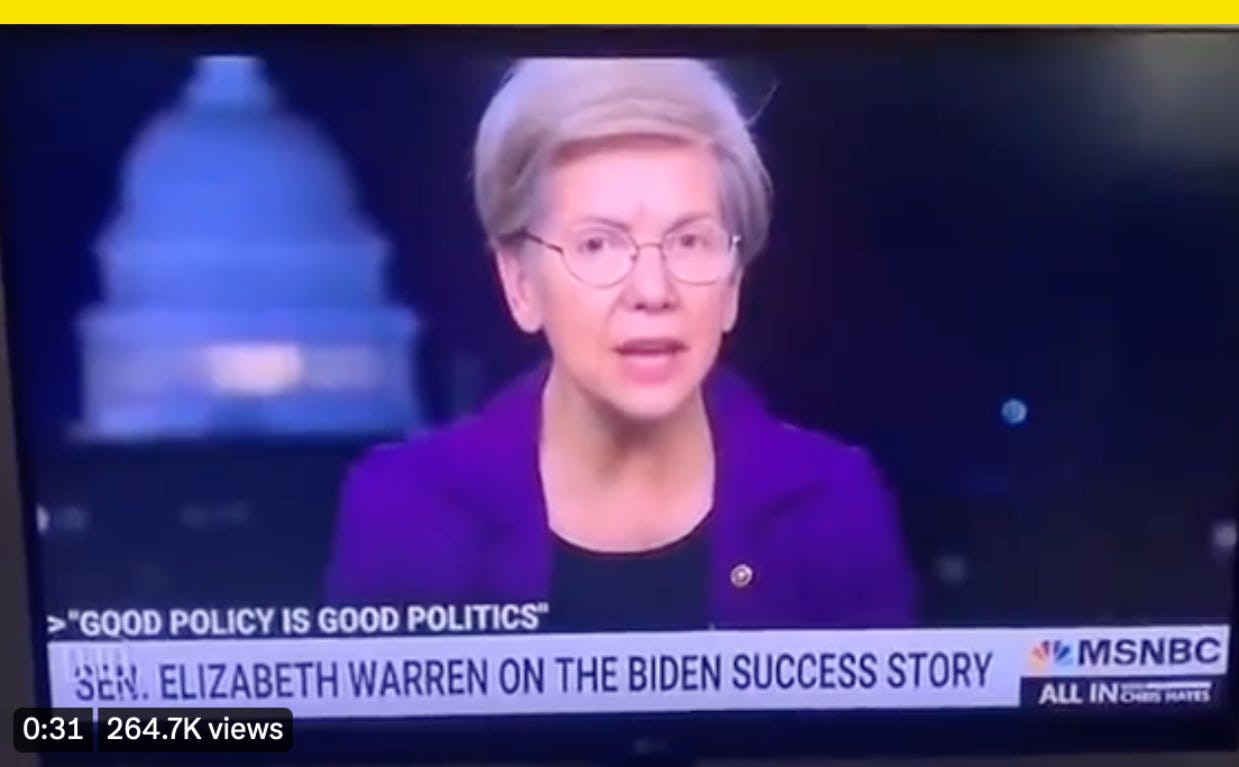
“Like any emerging technology, A.I comes with significant risk and our laws need to keep up,” Sen. Amy Klobuchar (D-Minn.) said during the hearing last Wednesday. She mentioned Florida Gov. Ron DeSantis’ campaign ad with a fake image of Trump hugging Anthony Fauci and a viral altered video of Sen. Elizabeth Warren (D-Mass.) saying Republicans shouldn’t be allowed to vote. Such deception is “untenable for democracy,” Klobuchar said.
Trevor Potter, president of the Campaign Legal Center and a Republican former Chairman of the Federal Election Commission, suggested strengthening the FEC’s power to protect elections against fraud and expanding disclosure requirements when A.I. is used to materially alter content.
“There is no countervailing First Amendment right to intentionally defraud voters in elections, so a narrow law prohibiting the use of A.I. to deceptively undermine our elections through fake speech would rest on firm constitutional footing,” Potter said.
Neil Chilson, a researcher at the Center for Growth and Opportunity at Utah State University, urged caution. Chilson said there is no agreed upon legal definition of A.I. and he agreed that regulations could potentially chill political speech. When asked by Sen. Bill Hagerty (R-Tenn.) whether photo editing software used to make Biden look younger in an ad could potentially violate A.I. political ad law, Chilson said he believed it could.
“Why does the use of those tools violate it and not use of makeup and use of lighting in order to make somebody look younger?” he asked. “If the concern is with a certain type of outcome, let’s focus on the outcome and not the tools used to create it.”
Klobuchar introduced a bipartisan bill last month that would ban the use of deceptive A.I.-generated content in political ads. The Protect Elections from Deceptive A.I. Act is co-sponsored by Sen. Chris Coons (D-Del.), Josh Hawley (R-Mo.), and Susan Collins (R-Maine).
Meghan Thee Stallion’s mental health PSA is about checking in on your friends

For its new public service announcement about mental health, the American Foundation for Suicide Prevention and Jed Foundation teamed up with Meghan Thee Stallion, the Ad Council, and the advertising agency Droga5 for a spot reminding viewers that bad bitches have bad days too.
“Check In On Your Friends,” which began airing last week, is part of the “Seize the Awkward” campaign to encourage young Black and Hispanic people ages 16 to 24 to talk to their friends about mental health. In the PSA, the Grammy Award-winning rapper tells viewers to “reach out to a friend if you see them going through it.”
“I’ve always been told I gotta be strong,” she says. “Thick skin. Stiff upper lip. Tough as nails. But to be everything for everybody, it wears on you. Black don’t crack, they say, but it can. I can. We all can.”
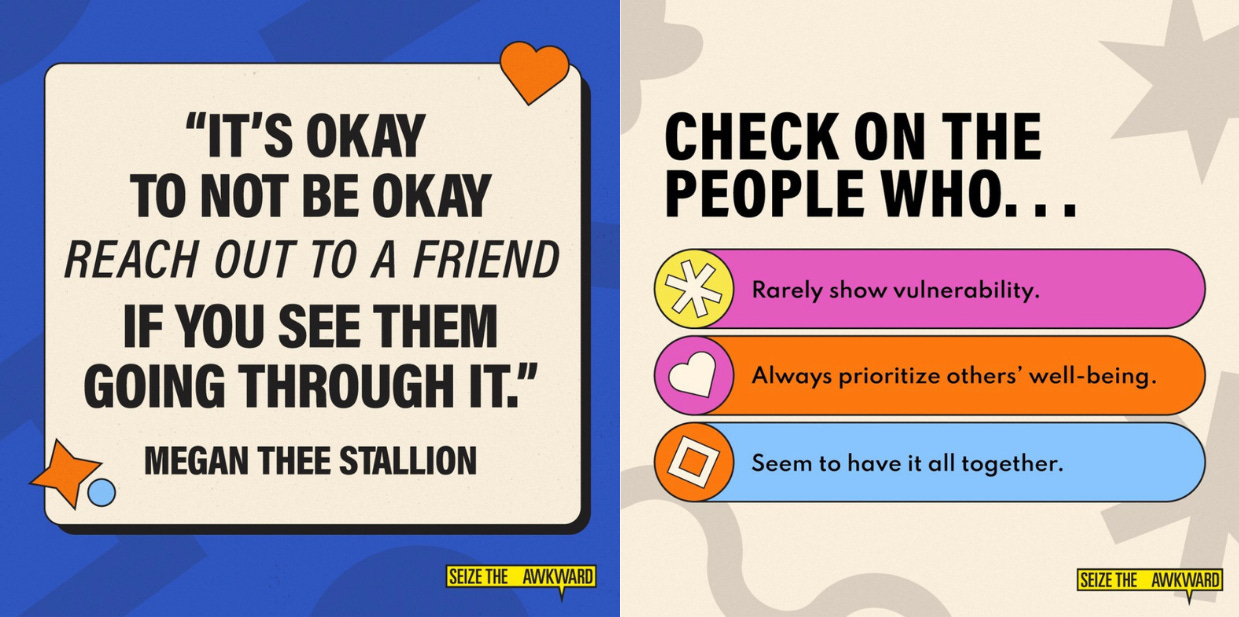
Megan Thee Stallion “has a unique and powerful connection with young adults,” Ad Council chief campaign development officer Heidi Arthur said in a statement. She predicted the PSA “will have ripple effects for years to come.” The spot will appear on broadcast, digital, social, out-of-home and print formats, with donated ad space from Snap Inc., SXM Media and TikTok.
“As women of color, we are too often perceived as ‘strong,’ so it was imperative to prove that all friends should be checked on — no matter who they are or how they may appear to be,” Droga5 creative director Courtney Richardson added.
The Ad Council has been busy this year partnering with groups for PSAs about mental well being and suicide prevention, and the common theme is connection and difficult conversations. Just last month they launched a “Don’t Wait. Reach Out.” campaign with the U.S. Department of Veterans Affairs, and April’s “Sound It Out” campaign with Amazon encouraged parents and caregivers to use music to initiate conversations about mental health with young people.
Have you seen this?
A long-lost letter penned by George Washington during the Revolutionary War hits the market for $275,000. The letter is addressed to General James Potter and dated the day Washington learned the British surrendered at Saratoga, and it’s the only known wartime document in which Washington mentions “Heaven” and “Providence.” [Artnet News]
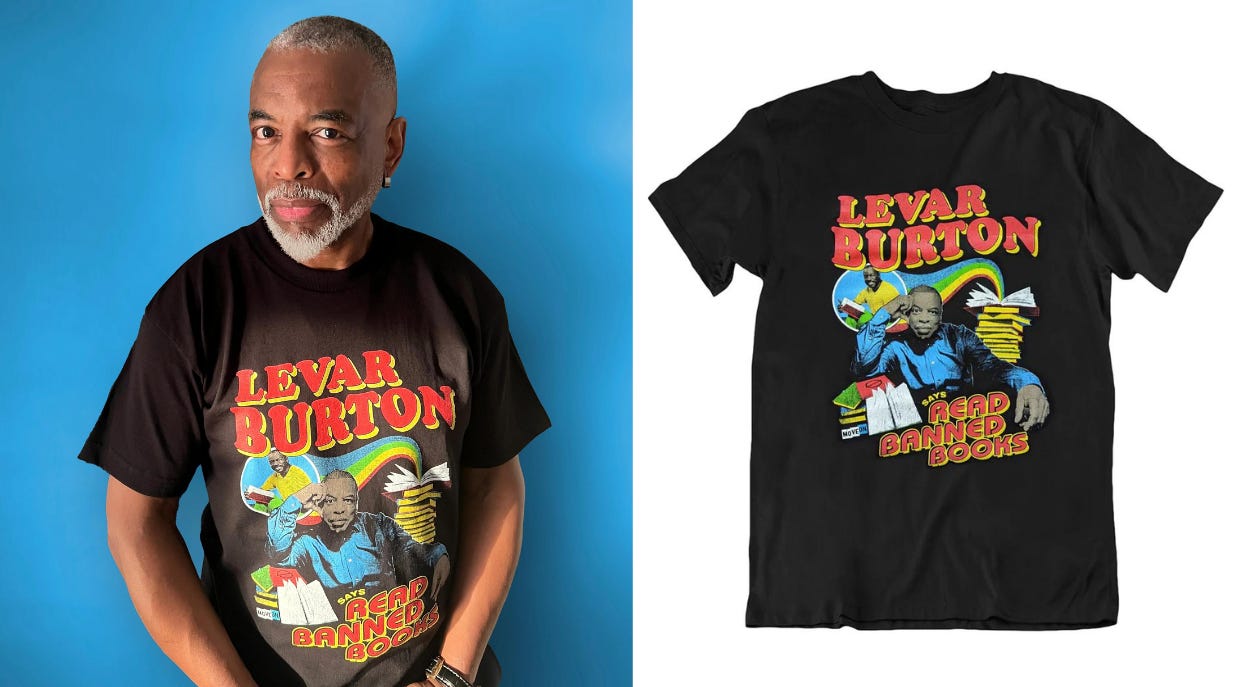
LaVar Burton is raising money to fight book bans. To mark National Banned Book Week this week, the former host of PBS’ “Reading Rainbow” partnered with MoveOn for a limited-edition “LeVar Burton Says Read Banned Books” t-shirt to fund the group’s Banned Bookmobile and other efforts to combat book bans. “I'm concerned for teachers and librarians who feel they can't do the job they love,” Burton said in a statement. “I’m honored to help inspire people of all ages to speak out against this dangerous form of censorship during Banned Books Week and all year around.” [MoveOn]
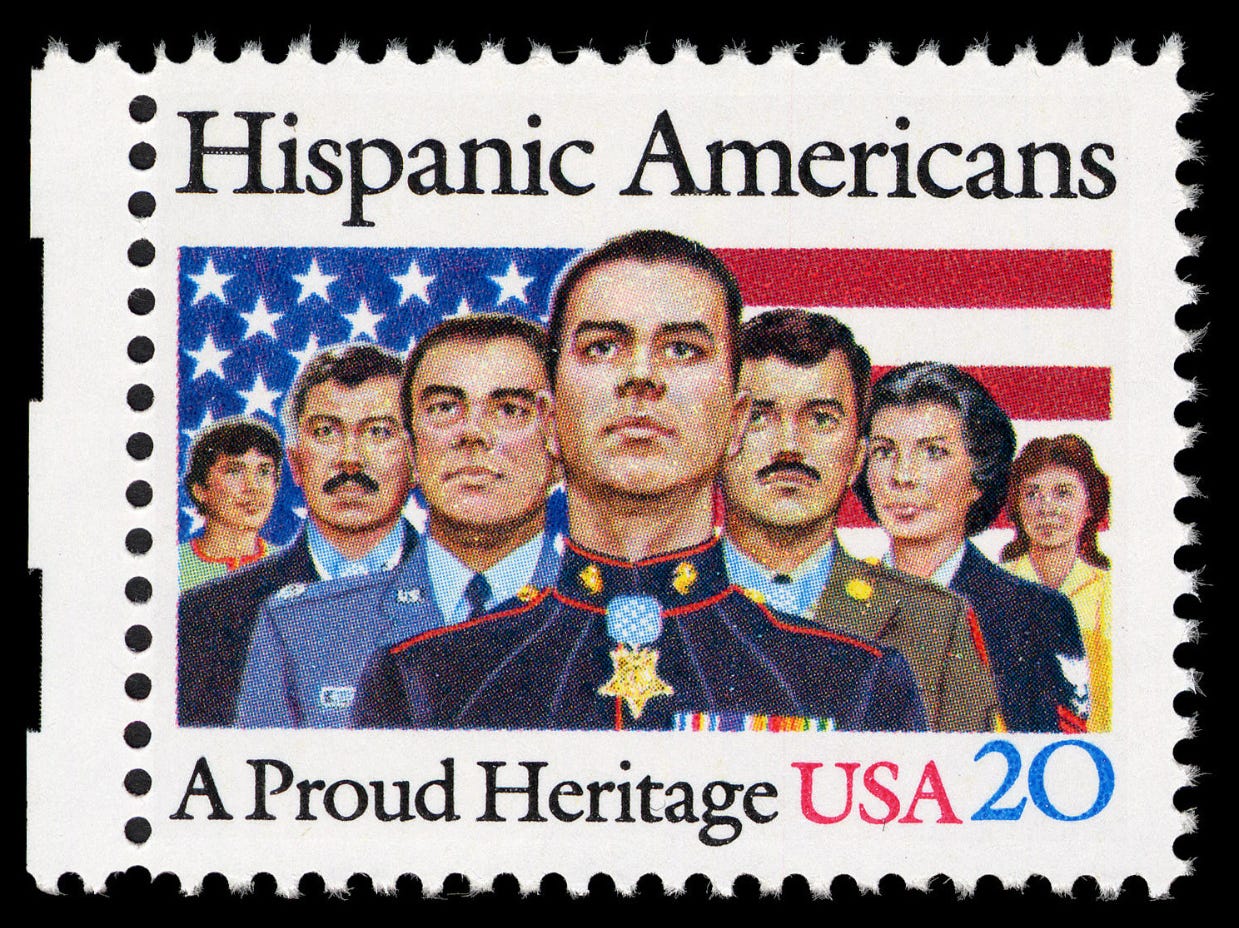
The National Postal Museum has a new virtual exhibition celebrating Hispanic Heritage. The online exhibition collects stamps commemorating exploration, settlements, independence, reform, culture, and more. [National Postal Museum]
Bob Ross’ first-ever TV painting has been listed at $9.8 million, but is it all a gallery’s ploy to boost the painter’s market? “American television icon Bob Ross was celebrated for his honest, democratic approach to painting. In contrast, the gallery that has become a primary vendor for his paintings appears to be employing somewhat disingenuous tactics.” [Artnet News]
🔒 YELLO subscriber exclusive:

History of political design
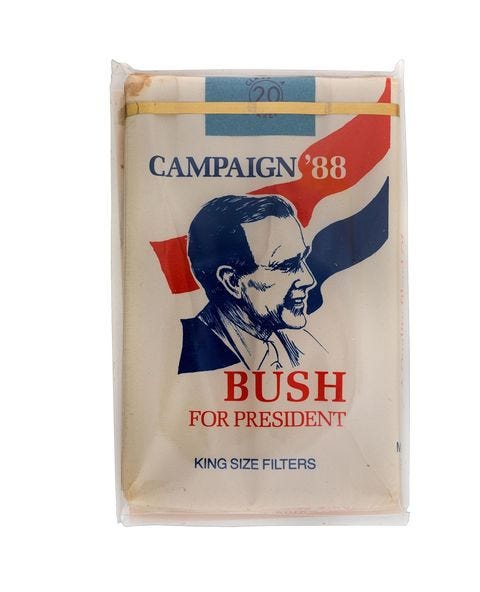
George H.W. Bush cigarettes (1988). Beginning in the 1950s, novelty candidate-branded cigarettes allowed smokers to show who they were voting for, but the practice fizzled out following the 1988 campaign, according to the Smithsonian National Museum of American History. 🚬
Thanks for reading! ⭐📨
Like what you see? Subscribe for more: